
MONTH 2023

Screwdriving and Riveting
Video: David Copithorne / Creatas Video+ / Getty Images Plus
Engineers help conservation group design and manufacture drones to monitor humpback whales.
Threaded Fasteners Help Save Whales
John Sprovieri // Chief Editor
The humpback whale is a remarkable creature. Adults range in length from 46 to 56 feet and weigh up to 44 tons. With long pectoral fins and tubercles on its head, the whale is known for breaching and tail slapping. Males produce a complex song that lasts 4 to 33 minutes.
Found in oceans and seas around the world, humpback whales typically migrate between feeding areas towards the poles and breeding areas near the equator. Their diet consists mostly of krill and small fish.
Like other large whales, the humpback was a target for the whaling industry. People once hunted the species to the brink of extinction: Its population fell to around 5,000 by the 1960s.
Thankfully, whaling is mostly a thing of the past. Today, there are some 135,000 animals worldwide, and their population is increasing.
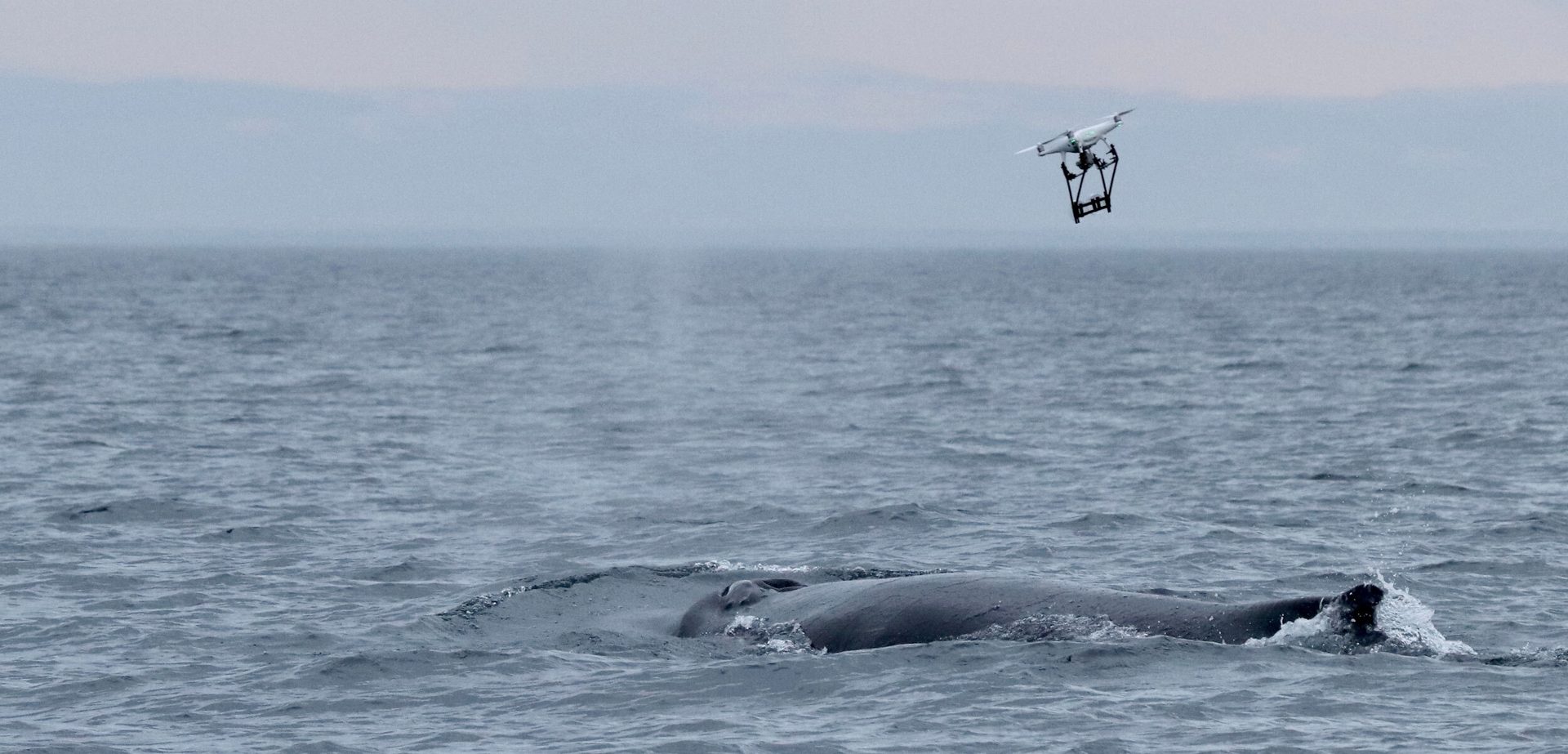
A drone equipped with lidar and cameras assesses the health of humpback whales off the cost of Iceland. Photo courtesy Whale Wise
Now, however, the animals face an array of new threats, including climate change, overfishing, noise pollution, entanglement in fishing gear, and collisions with ships. Understanding these threats—and what can be done to mitigate them—is the mission of Whale Wise, a UK charity dedicated to advancing marine mammal conservation through scientific research, advocacy and public engagement. Based in Swansea, Whale Wise works to understand the interactions between whales and human activity, focusing on evidence-based protection, sustainable practices and the involvement of local communities.
To determine whether whales have had run-ins with fishing nets—and what affect such entanglements might have had on them—Whale Wise volunteers needed a way to examine whales for scarring and to measure their growth. For that, they jury-rigged a lidar apparatus and secured it to an off-the-shelf drone with tape. When whales are spotted off the coast of the UK or Iceland, volunteers fly the drone from shore to measure and photograph the whale.
Inspection System
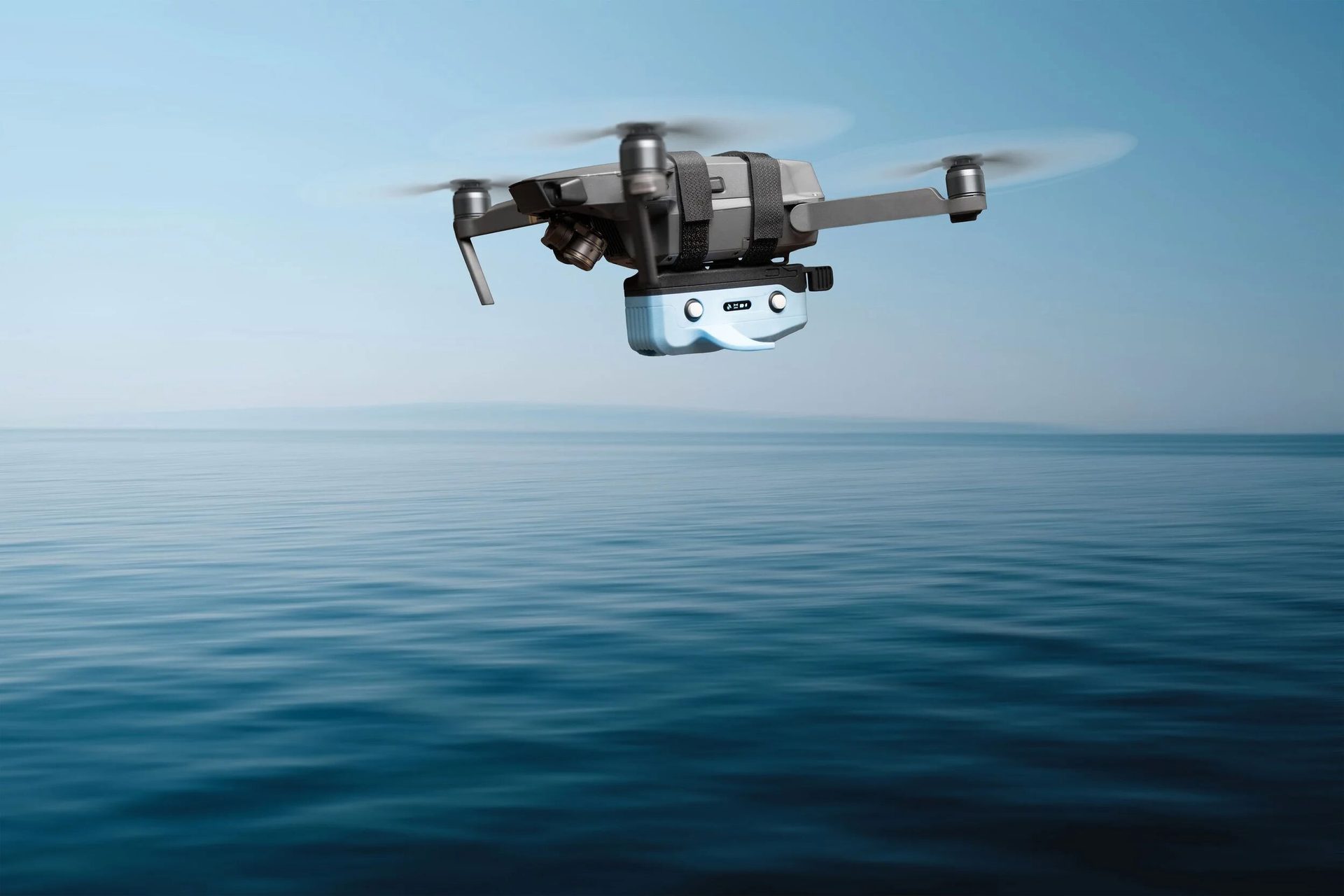
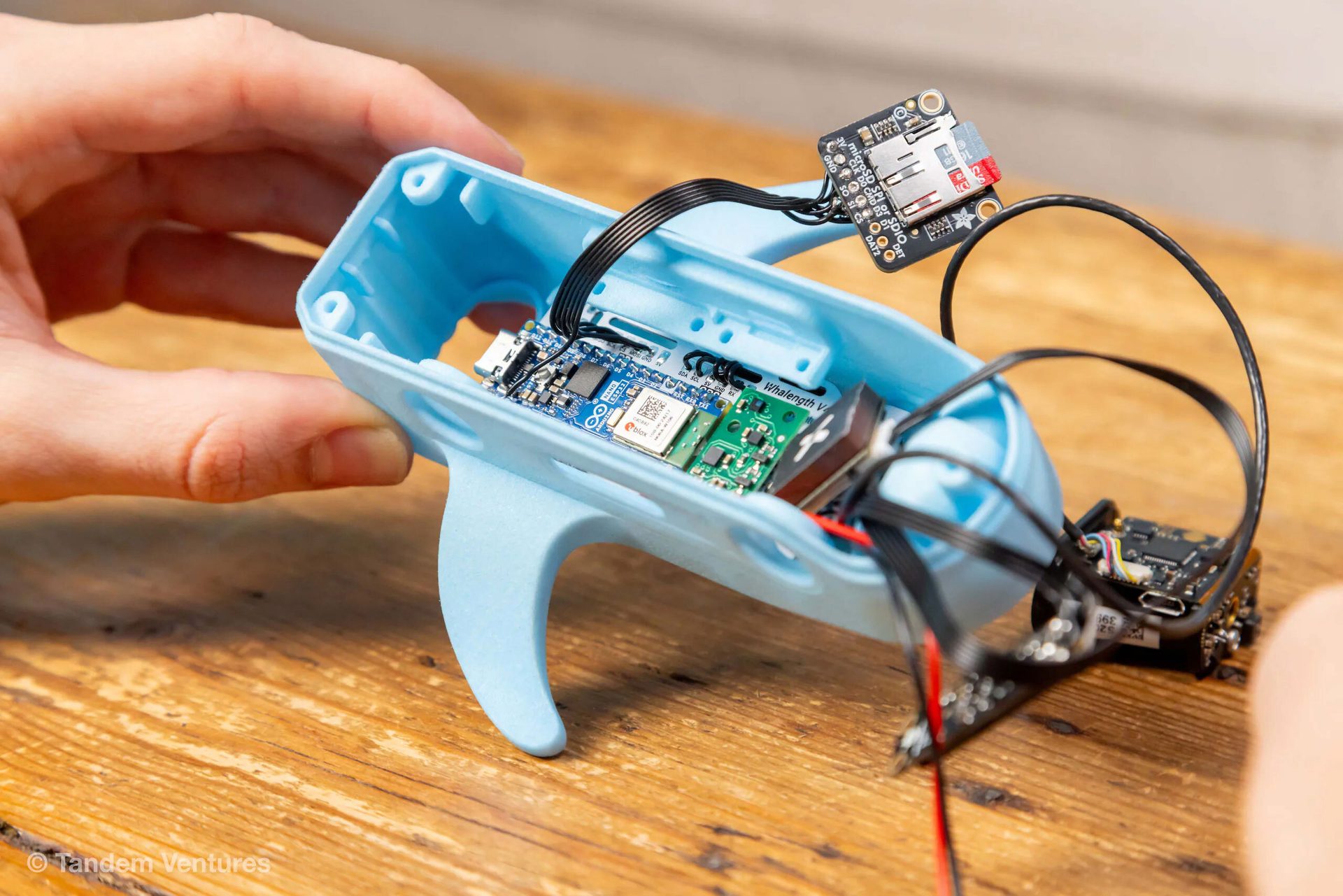
Tandem Ventures designed, prototyped and produced WHASER, a compact, lightweight lidar and camera module that attaches easily to the base of a drone. Photo courtesy Tandem Ventures Ltd.
Their setup worked, but it had some issues. For starters, it was heavy, which shortened the flight time of the drone. It was also bulky, which made it difficult for the drone to land safely on the ground without tipping over. Instead, volunteers had to catch the drone by hand, risking injury. Worst of all, the apparatus was not entirely dependable. Sometimes, volunteers would fly the drone only to discover later that it had not recorded any data.
To address those problems, Whale Wise sought help from Tandem Ventures Ltd., a UK nonprofit engineering firm dedicated to designing high-tech tools for good causes.
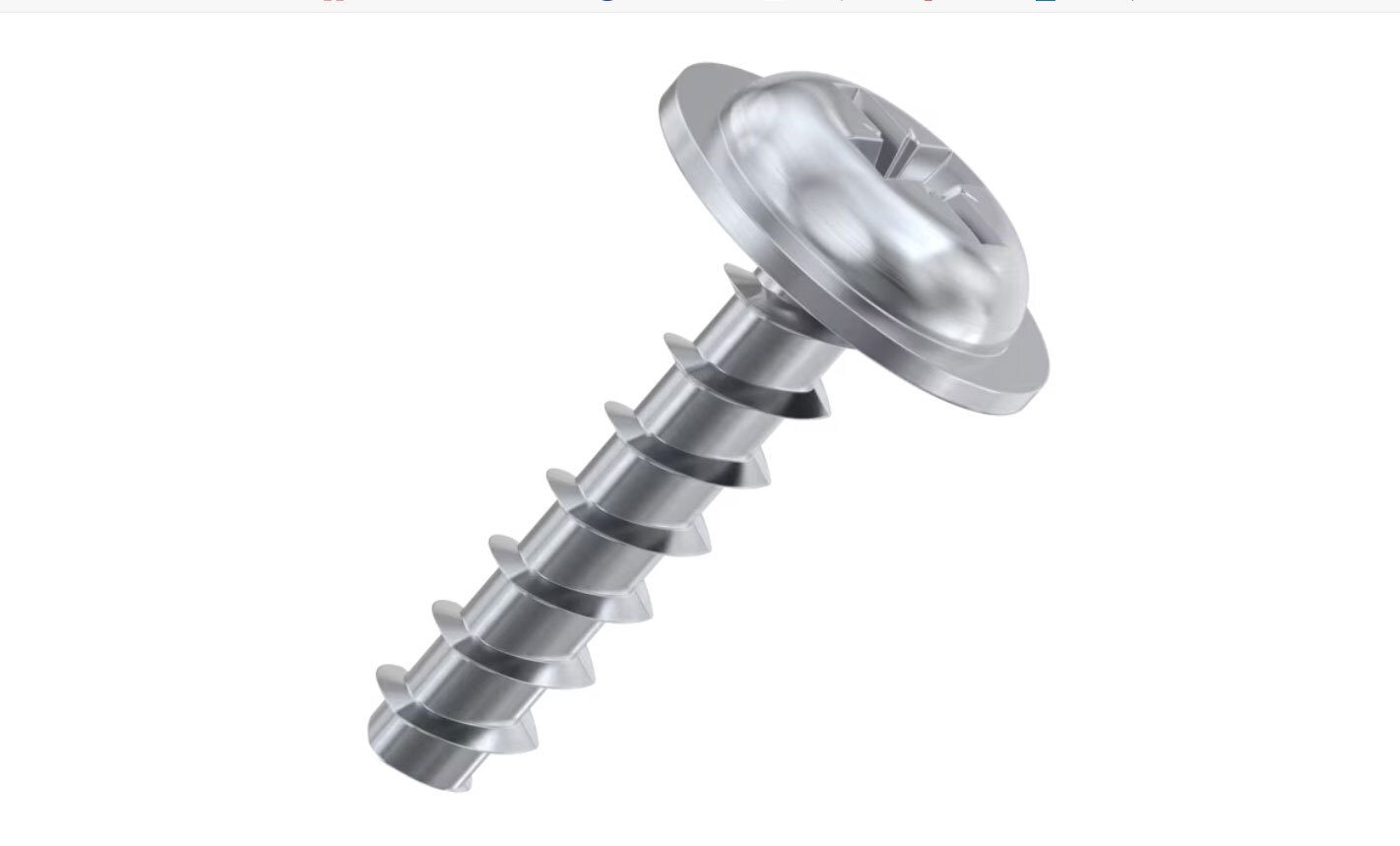
Polyfix screws for plastics eliminate the need for embedded nuts, simplifying the assembly process. Photo courtesy Accu Ltd. Co.
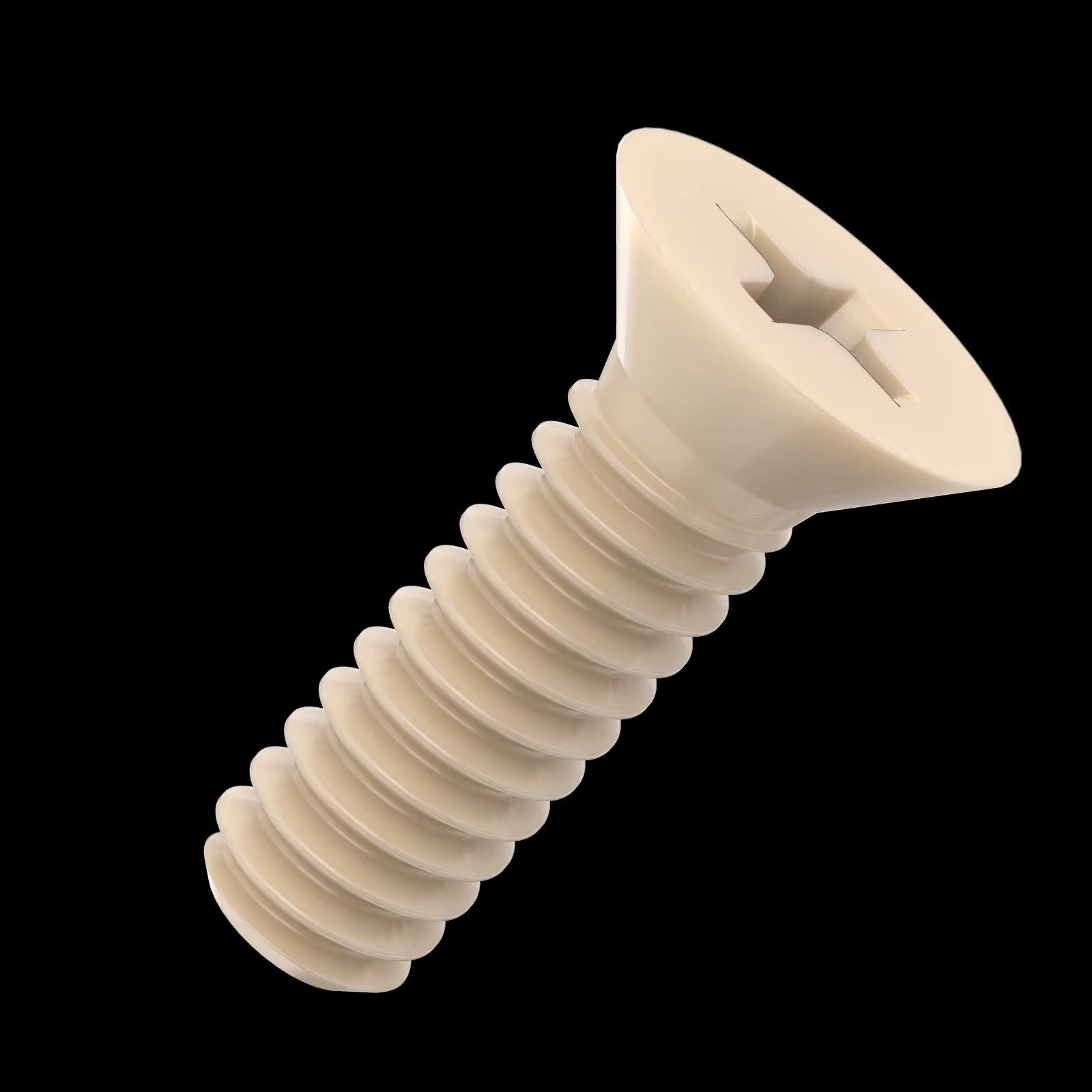
Made of PEEK, this bolt is six times lighter than an equivalent fastener made from stainless steel. Photo courtesy Accu Ltd. Co.
To maximize the drone’s time in the air, it was essential to make the lidar payload as light as possible. Photo courtesy Mouser Electronics
The WHASER System
With the help of Mouser Electronics, a global distributor of electronic components, Tandem Ventures designed, prototyped and produced WHASER, a compact, lightweight lidar and camera module that attaches easily to the base of a drone without impairing its ability to land. The open-source lidar technology and cameras precisely measure the height of the drone from the surface of the water. From that data, volunteers can gauge the size and weight of the whale. They can even identify specific individuals.
By measuring the size and weight of a whale over time, researchers can get an idea of its overall health.
Lightweighting for Maximum Efficiency
To maximize the drone’s time in the air, it was essential to make the lidar payload as light as possible. For that, Tandem Ventures got help from Accu Ltd. Co. in Huddersfield, UK, 30 miles east of Manchester. Accu manufactures threaded fasteners, rivets, pins, retaining rings and other assembly hardware.
Accu provided specialized fasteners designed to improve the drone’s flight time, facilitate assembly, and resist the harsh seaside environment. Key contributions included:
• Polyfix screws for plastics. These eliminated the need for embedded nuts, simplifying the assembly process and reducing the overall weight of WHASER. Manufactured from A2 stainless steel, they also provided superb corrosion resistance in a marine environment.
• High-performance PEEK bolts. A crucial design upgrade involved replacing a traditional heavy stainless steel bolt with a PEEK alternative, which was six times lighter. This weight reduction directly contributed to increased drone flight times and enhanced operational efficiency.
Precision-engineered fasteners streamlined WHASER’s construction and also aligned with Whale Wise’s sustainability goals. By reducing weight, the project minimized material use and improved the drone’s energy efficiency.


Whale Wise works to understand the interactions between whales and human activity, focusing on evidence-based protection, sustainable practices and the involvement of local communities. Photo courtesy Whale Wise

ASSEMBLY ONLINE
For more information on fasteners and lightweighting, visit www.assemblymag.com to read these articles: