
SCROLL
DOWN
Larry Keener to be Honored with FSM's 2026 Distinguished Service Award
Image credit: Dr_Microbe/iStock / Getty Images Plus via Getty Images

Larry Keener, CFS, PA will receive Food Safety Magazine's Distinguished Service Award for 2026. The award will be presented at the 2026 Food Safety Summit, taking place May 11–14 in Rosemont, Illinois.
Mr. Keener was nominated and selected as the recipient of the award by the food safety community for his unwavering commitment to food safety and his innovative leadership, which have made a significant and lasting impact on the global food industry.
Mr. Keener is an internationally regarded microbiologist and process authority. His areas of expertise range from applied food microbiology to the development and application of novel preservation technologies including high-pressure processing, microwave, pulsed-electric field, high-powered ultrasound, atmospheric plasma, and low-energy electron beam technology.
For the past 50 years, he has collaborated with food safety scientists on all aspects of food science, and he is a tireless advocate for process validation and hygienic design. Mr. Keener has also worked with the international regulatory community to bring novel processing and preservation methods to commercial application. He has worked with the food industry's leading companies, independent research organizations, and government organizations in the U.S. and around the world to bolster their food safety initiatives. He has also written several chapters and numerous papers on various topics related to food safety.
Mr. Keener is a 2013 Fellow of the Institute of Food Technologists (IFT), a Certified Food Scientist (International Food Science Certification Commission), and a 2018 recipient of an International Union of Food Science and Technology (IUFoST) lifetime achievement award for his work in microbiology and food safety. He is a past president of IFT's Nonthermal Processing Division and a two-term past president of Tuskegee University's Food and Nutrition Sciences Advisory Board. He is also the past co-chair and founding member of the Global Harmonization Initiative (GHI) and a 2022 inductee to the George Washington Carver Society.
Since 1996, Mr. Keener is President and CEO of International Product Safety Consultants, a global leader in providing food safety and food technology solutions to the food processing industry for a broad client base of Fortune 500 food companies, academic research institutes, and government agencies. He is also a longtime member of the Editorial Advisory Board of Food Safety Magazine and a member of the Educational Advisory Board of the 2026 Food Safety Summit.
The European Food Safety Authority (EFSA) has established an acute reference dose (ARfD) for cereulide in infants and determined concentrations of the toxin in infant formula that pose a potential safety concern. The rapid risk assessment was published in light of a global recall of infant formula products contaminated with cereulide, a toxin produced by the bacteria Bacillus cereus that can cause sudden nausea, vomiting, and stomach pain 30 minutes to six hours after ingestion. Beginning with Nestlé after the company found the toxin in arachidonic acid (ARA) oil used in its formula products, brands Danone, Lactalis Nutrition Santé, and Hochdorf Swiss Nutrition AG also issued precautionary recalls soon after. AHA oil originating from a supplier in China is the source of contamination.
Responding to this large-scale food safety incident, EFSA proposed an ARfD of 0.014 micrograms per kilogram of bodyweight (μg/kg BW) for cereulide in infants based on the critical acute adverse effect of vomiting. For infant formula, EFSA confirmed that a value of 260 milliliters (mL)/kg BW remains appropriate for estimating short-term (24-hour) exposure. For follow-on formula, EFSA confirmed a value of 140 mL/kg BW. By comparing the ARfD with these high consumption values, EFSA concluded that cereulide concentrations in reconstituted (liquid) infant formula above the following values may lead to safe levels being exceeded: 0.054 μg/liter (L) for infant formula and 0.1 μg/L for follow-on formula. The full risk assessment can be read here.
FDA to Test Infant Formula for C. botulinum Following Outbreak
In other infant formula news, in an interview with Bloomberg, FDA Deputy Commissioner for Human Foods Kyle Diamantas revealed the agency's intent to begin testing infant formula, as well as ingredients like milk powder and whey protein concentrate, for Clostridium botulinum. The announcement follows a national infant botulism outbreak associated with ByHeart infant formula products, which has been linked to 51 cases in 19 states.
FDA testing has found C. botulinum toxin Type A in two samples of ByHeart powdered infant formula. Whole genome sequencing (WGS) showed that the C. botulinum in the formula products matched isolates from samples of an organic whole milk powder used as an ingredient in ByHeart formula. The cases linked to ByHeart are also part of a broader national spike of infant botulism cases, including more than 100 reports since late 2024.
FDA is not the only organization prompted to act by the ByHeart outbreak. In December 2025, the Codex Committee on Food Hygiene also decided to initiate work related to the control of C. botulinum in powdered infant formula. Furthermore, the Food and Agriculture Organization of the United Nations (FAO) and the World Health Organization (WHO) have issued a call for experts and data on microbiological risk assessment for powdered formula for infants and young children, with the ultimate goal of updating Codex Alimentarius standards.

EFSA Sets Limits for Cereulide in Infant Formula; FDA to Test Formula for C. botulinum
FDA Allows Foods with 'Natural' Food Dyes to Claim 'No Artificial Colors'
Image credit: Dr_Microbe/iStock / Getty Images Plus via Getty Images

The U.S. Food and Drug Administration (FDA) has expanded the allowed uses of the label claim "no artificial colors" on food products. Previously, companies could only claim "no artificial colors" on food product packaging when the product contained no added color whatsoever. With the new change, companies will be able to use the claim "no artificial colors" for products that contain naturally derived added colors (i.e., non-petroleum-based dyes that have been authorized in accordance with the Federal Food, Drug, and Cosmetic Act).
Examples of food colors derived from natural sources which can now be used in products that claim to have "no artificial colors" include beetroot red and spirulina extract. Other "natural" food colorants FDA has authorized for food use since urging food companies to phase out the use of synthetic dyes in April 2025 include Gardenia (Genipin) Blue, Galdieria Extract (blue), Butterfly Pea Flower Extract (blue), and Calcium Phosphate (white).
Although FDA is encouraging manufacturers to transition to non-synthetic food colorants, the agency adds the caveat that it is manufacturers' responsibility to ensure color additive safety. Therefore, the agency has issued a letter that highlights resources to assist manufacturers of authorized color additives in maintaining safety and purity standards.
In other FDA news, in late January, the agency released its priority deliverables and guidance agenda for 2026. The priority deliverables and planned guidance topics are line with the continued implementation of the Trump administration's "Make America Healthy Again" (MAHA) agenda under Health and Human Services Secretary Robert F. Kennedy Jr. Read our summary of FDA's priority deliverables and guidance agenda here.
The U.S. Department of Agriculture's Food Safety and Inspection Service (USDA-FSIS) has reissued its guidance, Testing for Non-Listeria Monocytogenes Listeria Species. The reissued guidance reflects expansions made to the agency's testing method and enforcement actions regarding Listeria in ready-to-eat (RTE) food production facilities. These changes were made in January 2025 as a result of a review of USDA's Listeria Rule and inspection procedures following a fatal, multistate listeriosis outbreak linked to Boar's Head deli meats, which revealed gaps in the agency's oversight of RTE facilities.
The reissued guidance continues to instruct inspection program personnel (IPP) that USDA-FSIS changed its laboratory method to include testing for Listeria species other than L. monocytogenes in all sampling projects that currently test product, food contact surface, or environmental samples for L. monocytogenes in facilities producing RTE meat, poultry, or egg products. USDA-FSIS is testing for additional Listeria species because these results provide more information about the effectiveness of the establishment's sanitation program. According to the agency, if sanitation is effective, no type of Listeria should be found in product, on food contact surfaces, or on environmental/non-food contact surfaces in the post-lethality exposed RTE environment.
Salmon Producer Reports on Successful Listeria "Seek and Destroy" Process
A study of a Norwegian smoked salmon processor's L. monocytogenes control efforts shares interesting insights for environmental monitoring and response. Following two listeriosis outbreaks linked to the same facility, the company implemented an intensive "Seek and Destroy" process—combining increased sampling, deep cleaning, equipment adjustments, and whole genome sequencing over the course of 11 weeks. The investigation pointed to a skinning machine with hygienic design flaws as a persistent harborage site for Listeria.
The machine's conveyor belts featured a rubber-like surface over a woven fabric layer, going against hygienic design principles that recommend impermeable, coated belt materials that prevent fluid absorption. Also, the mixed-material junction in the machine's air-filled roller, which had a plastic core with metal end fittings, had the typical characteristics of L. monocytogenes harborage sites. Even disassembly and aggressive disinfection of the machine failed to eradicate the pathogen. Heat treatment was found to be partially effective, but could only be applied to parts that could withstand high temperatures.
Ultimately, the processor replaced the skinning machine and tightened its hygiene protocols, and subsequent testing showed no presence of the outbreak strain in product samples. The study shows the importance of hygienic equipment design, the limitations of chemical cleaning alone, and how targeted sampling and testing strategies can help guide effective remediation.
Listeria Biofilm Study Looks at Sanitizer Efficacy in Produce Packinghouses
A study by researchers at Louisiana State University evaluated how three common sanitizers—chlorine, quaternary ammonium compounds (QACs), and ultraviolet-C (UV-C) light—performed against L. monocytogenes biofilms grown on materials typical in produce packinghouses (stainless steel, PET, and silicone rubber). The researchers found that younger (1-day) biofilms were much more susceptible to sanitizer treatments than older (7-day) biofilms, with efficacy dropping significantly as biofilms matured. Surface type also played a role, with smooth, hydrophilic stainless steel supporting stronger sanitizer action than rougher hydrophobic materials like PET and silicone rubber, which can shield biofilms and reduce sanitizer contact. Organic matter (simulated with apple juice) further diminished sanitizer effectiveness by creating additional protective barriers around the biofilms.
Since none of the sanitizers achieved ≥3-log reductions on mature biofilms under realistic conditions, the researchers emphasize the necessity of thorough pre-cleaning, attention to equipment condition and surface material, early intervention to prevent biofilm establishment, and potentially combined sanitation approaches (e.g., sanitizer plus UV-C or heat) in produce packing operations. The study also points out the limitations of the lab model compared to real facility conditions, recommending future research with older, multi-species biofilms and worn surfaces.

USDA Updates Listeria Guidance; Listeria Studies Highlight Hygienic Design, Sanitizer Efficacy
The European Food Safety Authority (EFSA) has updated its guidance document on the data requirements for the risk assessment of food additive applications. The document defines the scientific data required to evaluate if a food additive is safe under the proposed conditions of use as part of applications for a new authorization or a modification of an existing authorization of a food additive. Data requirements relate to an additive's characterization; proposed uses and use levels and the assessment of dietary exposure; and human and environmental safety.
Specifically, new or updated information provided in the guidance includes:
- Developments in the techniques/approaches applied in the manufacturing of food additives and improvements in the performances of the analytical methods, which allow an in-depth characterization of the final product and its source materials, as well as more accurately defining specifications for the food additive
- References to guidance on considering the potential exposure of consumers to small particles, including nanoparticles, if present in the food additive
- The most recent versions of the Food Additives Intake Model (FAIM) tool and the Dietary Exposure (DietEx) tool
- Consideration of guidance on the risk assessment of substances present in food intended for infants below 16 weeks of age
- Consideration of all cross-cutting guidance documents relevant for genotoxicity and toxicological assessment of food additives published after 2012
- Reference to the latest versions of the relevant Organization for Economic and Co-operation and Development Test Guidelines (OECD TG)
- Consideration of environmental protection, as occurrence in the environment may be a relevant issue for some food additives.
The full guidance document can be read here.

EFSA Updates Guidance on Data Requirements for Food Additive Risk Assessments
A joint report from the European Food Safety Authority (EFSA) and the European Center for Disease Prevention and Control (ECDC) highlights that antimicrobial resistance (AMR) in common foodborne bacteria remains a significant public health issue across Europe. The data, covering 2023–2024 and obtained from EU Member States, the UK (Northern Ireland), and several non-EU countries, shows that bacteria such as Salmonella and Campylobacter continue to exhibit high levels of resistance to important antimicrobials like ciprofloxacin, used to treat severe human infections. In Campylobacter, widespread ciprofloxacin resistance is now so pronounced that the drug is no longer recommended for treatment, and its use in animals has been restricted. Resistance to other commonly used antibiotics—including ampicillin, tetracyclines, and sulfonamides—is also prevalent in both human and animal isolates, underscoring ongoing challenges in managing foodborne infections.
The report also raises concerns about the increasing detection of carbapenemase-producing Escherichia coli in food animals and meat, which is troubling because carbapenems are last-resort antibiotics in human medicine and are not authorized for use in food animals. Despite these trends, several countries have reported declines in resistance to specific antimicrobials over time. For example, resistance in Salmonella to ampicillin and tetracyclines has decreased in many nations over the past decade, and erythromycin resistance in Campylobacter has declined in some human and animal populations. Multi-drug resistance to critically important antibiotics remains generally low for Salmonella, Campylobacter, and E. coli, although improvements in resistance trends, particularly in E. coli from poultry, have plateaued rather than continued to decline.

EU Report Raises Concerns About Increasingly Drug-Resistant Foodborne Bacteria
The Food and Agriculture Organization of the United Nations (FAO) recently released several reports dealing with food e-commerce regulations, foodborne viruses of concern and their commodity pairings, regulatory frameworks for precision fermentation-derived foods, and food fraud in the fishery and aquaculture sector.
A Closer Look at Food E-Commerce Regulation
FAO released guidance in February to help countries develop or refine food safety and regulatory frameworks specific to food e-commerce sales. While online food sales have grown significantly, especially since the COVID-19 pandemic, many countries still regulate these sales indirectly through general food, consumer protection, or e-commerce laws rather than tailored regulations.
FAO's analysis of six jurisdictions (Canada, Chile, China, the EU, Indonesia, and Nigeria) revealed very different levels of activity, with China having the most comprehensive e-commerce food safety rules and others either beginning discussions or applying general laws. FAO's recommendations encourage a multidisciplinary approach, clarification of roles and responsibilities of online actors, greater liability, clear enforcement mechanisms, information transparency, improved use of monitoring tools, and the integration of public and private regulatory efforts.
Prevention and Control of Foodborne Viruses
A joint report from FAO and the World Health Organization (WHO) focuses on prevention and control strategies for foodborne norovirus, hepatitis A, and hepatitis E linked to key commodities. Building on a prior ranking of virus–food pairings of concern, the report stresses that foodborne viruses are environmentally persistent and often resistant to treatments that control bacterial pathogens, making prevention the cornerstone of risk management. For shellfish, contamination mainly stems from fecal pollution in waters. While mitigation efforts such as depuration and relaying processes can help, they are inconsistent; high-pressure processing and high heat can reduce virus loads but may alter quality.
In produce, contamination sources include irrigation and infected workers. Standard washing and sanitation practices often fall short against viruses, prompting interest in advanced water treatments. For prepared and ready-to-eat foods, the emphasis is on excluding sick food handlers, rigorous hygiene, and effective cleaning/disinfection; in pork and wild game, zoonotic hepatitis E transmission requires biosecurity, cross-contamination prevention, and thorough cooking. Data gaps, especially in cultivating wild-type viruses for study, underscore the need for more research and improved intervention tools.
Regulatory Frameworks for Precision Fermentation-Derived Foods
FAO also released a report examining how regulatory systems can address cell-based foods and precision fermentation-derived food products. The report reviewed existing international frameworks such as Codex Alimentarius and World Trade Organization (WTO) agreements, noting that while these bodies have begun to consider such products, formal international standards are still in the early stages of development. The report also found that many countries already regulate these foods under existing laws for novel foods or genetically modified products, but that regulators must clarify how these laws apply to emerging technologies to ensure safety, legal certainty, innovation, and trade.
To help authorities prepare, FAO outlined five priority actions: (1) clarify how current rules apply to these foods, (2) evaluate whether specific pre-market authorizations are needed, (3) update regulations on labeling, additives, enzymes, and manufacturing practices, (4) promote international harmonization of standards through bodies like Codex Alimentarius, and (5) engage a broad set of stakeholders such as producers, consumers, public health groups, and ethical and environmental organizations. These steps aim to ensure that safety, transparency, and sustainability are addressed as cell-based and precision fermentation-derived foods enter wider markets.
Food Fraud in Fishery and Aquaculture
Finally, FAO published a report on food fraud in the global fisheries and aquaculture sector, which produced over 185 million tons of aquatic products in 2022 and is economically significant but vulnerable due to its complexity and high species diversity. The most common fraud types are species substitution and mislabeling, with some estimates suggesting that up to 20 percent of products may be mislabeled—posing health risks (e.g., toxins, allergens, pathogens), economic deception, and threats to conservation.
The report outlines how existing regulatory frameworks and standards (e.g., Codex Alimentarius and GFSI-benchmarked schemes) can help mitigate fraud. It also highlights advanced analytical tools—such as DNA barcoding, PCR, spectroscopic techniques, and portable verification methods—used to authenticate products and determine provenance. To combat fraud, FAO recommends harmonized labeling with scientific names, robust traceability systems, greater consumer awareness, and greater industry transparency.
FAO and EFSA Sign Food Safety MOU
In other news, in February, EFSA and FAO signed a Memorandum of Understanding (MOU) establishing a three-year partnership to promote science-based solutions for safe, sustainable, and resilient food systems, aligned with One Health principles.
Under the MOU, cooperation will cover areas such as plant and animal health, pesticide risk assessment and sustainable agricultural practices, nutrition, and cross-cutting work on data, as well as methodologies and communication. The partnership will also promote joint efforts on emerging issues and fields such as novel food, biotechnology, AI, and microbiome research.

FAO Publishes Reports on Food E-Commerce, Foodborne Viruses, Precision Fermentation, and Seafood Fraud

Bel Group has appointed Peter McGuinness as CEO of Bel North America.

MCGUINNESS
Rudolph Foods has hired Tim Byres as its new Culinary Innovation and Foodservice Sales Manager.
P.F. Chang's has appointed Holly Smith as Chief Marketing Officer.

SMITH
AeriTek has named Sean McGrann as Vice President of Sales, Foodservice North America, and Anthony Tortoriello as Director of Sales, Foodservice U.S. and Canada.
Flexco has named Chris Byrne as Light-Duty (LD) Business Unit Director.

BYRNE
Robroy Industries has hired Charlie Charpentier as the new Product Line Manager for the Raceway Division.

CHARPENTIER
The Refrigerating Engineers and Technicians Association and the Refrigeration Service Engineers Society (RETA-RSES) has appointed Lori Schiavo as Associate Executive Director.

SCHIAVO
Bryan Malenius, Director of Reputation Strategy for Public Affairs at Chick-fil-A, was named President of the Center for Food Integrity (CFI) Board of Directors.

MALENIUS
Food Safety Magazine is saddened to mark the passing of Dr. Frank Busta in late January. Dr. Busta was a renown food safety expert and the Director Emeritus of the National Center for Food Protection and Defense at the University of Minnesota. He was also a past recipient of Food Safety Magazine's Distinguished Service Award and a longtime advisor and contributor to the magazine.
Food Safety Magazine is saddened to announce the passing of Dr. Frank Busta on January 24, 2026. An internationally recognized food safety expert, Dr. Busta received the magazine's Distinguished Service Award in 2021 for his outstanding service to food safety science. Read more about his contributions to food safety here.

Innodal's Clean-Label Processing Aid for Listeria Receives Green Light from USDA
The U.S. Department of Agriculture's Food Safety and Inspection Service (USDA-FSIS) has issued a No Objection Letter (NOL) for Innodal's INNEO as a processing aid to control Listeria monocytogenes in meat and poultry products. The NOL enables U.S. meat and poultry processors to use INNEO both as a surface treatment and directly within the food matrix of comminuted products.
INNEO is a natural antimicrobial processing aid based on a bacteriocin, a class of peptides recognized for their targeted activity against L. monocytogenes. The technology is also determined "Generally Recognized as Safe" (GRAS) by the U.S. Food and Drug Administration (FDA). Already commercialized in Canada, INNEO offers U.S. processors a clean-label alternative to conventional antimicrobials. Industry trials have demonstrated strong efficacy against L. monocytogenes while preserving product quality attributes such as taste, texture, and appearance. As a recognized processing aid, INNEO can be implemented without ingredient labeling changes.

TraceGains, iFoodDS Expand Partnership to Offer Traceability Solutions
Meeting the need for food traceability solutions, TraceGains and iFoodDS are extending their strategic alliance, strengthening integration between TraceGains Supplier Management and iFoodDS Trace Exchange. The integration is intended to help food and beverage companies and their suppliers turn compliance with FDA traceability regulations into a source of competitive advantage.
The alliance delivers seamless data integration that simplifies how suppliers share traceability data and how food and beverage companies identify, monitor, and work with FSMA 204-ready trading partners.
TraceGains' global network spans more than 100,000 supplier locations, giving food and beverage companies unprecedented visibility into their supply base. iFoodDS' Trace Exchange platform provides a flexible, scalable traceability solution purpose-built to support FSMA 204 requirements across complex supplier networks. By integrating these platforms, traceability data-sharing and compliance management become a natural extension of existing supplier workflows.
The integration also enables seamless data-sharing between the platforms, including master product and location data and critical tracking event data. This eliminates duplicate effort for suppliers, reduces errors, and supports integrated reporting within TraceGains Supplier Management. Developed with guidance from traceability and food safety leaders, the TraceApproved program is designed to help suppliers prepare for FSMA 204 requirements while meeting customer-specific data-sharing and labeling expectations.

Compact, AI-Based Hyperspectral Camera Detects Quality Defects in Food

A research project funded by the German Federal Ministry of Research, Technology, and Space (BMFTR) is developing an ultra-compact, energy-efficient hyperspectral camera that uses artificial intelligence (AI) to perform complex material and quality analyses in real time. The integrated spectrometer records spectral characteristics, revealing chemical properties that are invisible to the human eye. This enables defects in food to be identified quickly and accurately.
The novel hyperspectral camera offers wide-ranging applications in industrial and agricultural processes. Its innovative approach combines conventional 2D imaging with AI and spectral analysis. A standard 2D camera first captures a high-resolution image of the target object. AI then analyzes the image in real time, automatically identifying regions of interest. The integrated spectrometer subsequently performs spectral analysis exclusively at these selected positions, determining the chemical composition. This intelligent approach significantly enhances the efficiency of hyperspectral measurements. The information obtained helps improve quality control in food processing by detecting pressure marks and defects and enables an accurate assessment of plant condition and nutrient requirements in agriculture.
Researchers Develop Rapid Onsite Test for 16 Foodborne Pathogens
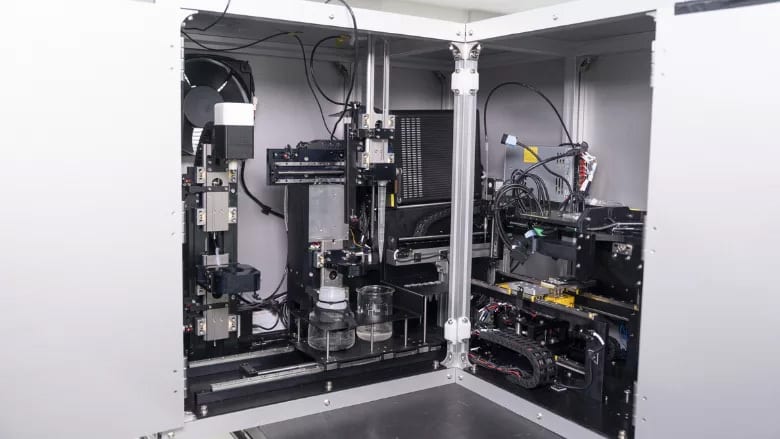
The Korea Institute of Machinery and Materials (KIMM) has developed a fully automated rapid diagnostic platform capable of detecting 16 foodborne pathogens within one hour. The device can be operated with the press of a button and is designed for onsite use by non-specialists. The system isolates target organisms from food matrices using hydrodynamic forces generated by a high-speed rotating propeller. Multi-layer membrane filtration removes debris and supports rapid processing of large-volume samples exceeding 200 milliliters (ml). Purified nucleic acids then undergo high-speed thermal amplification, completing 40 cycles in approximately 15 minutes.
A low-cost, complementary metal-oxide-semiconductor (CMOS)-based multi-fluorescence sensor enables simultaneous detection of multiple targets within a single well, supporting identification of all 16 foodborne pathogens specified by Korea's Ministry of Food and Drug Safety. The system's reagent chemistry supports multi-signal fluorescence detection to enhance sensitivity in a compact format.
All diagnostic steps are executed through a one-button, automated process supported by built-in analysis software, eliminating the need for expert training. The system is positioned for deployment in environments such as schools, foodservice operations, food manufacturing facilities, and local government testing centers.
Sabert Launches No-PFAS-Added Food Packaging Across Europe

Sabert Corporation Europe is launching its latest packaging innovation, PULPUltra, across Europe, the UK, and Ireland. The product has no intentionally added per- and polyfluoroalkyl substances (PFAS) and is ideal for fresh, ready-to-eat (RTE) dishes and hot foods. The no-PFAS-added packaging solution is also compliant with Regulation (EU) 40/2025 on PPWR, which comes into force in August 2026, introducing new measures that restrict toxic PFAS in food contact articles.
Made from more than 95 percent bagasse fibers and treated with a barrier spray coating of less than five percent, PULPUltra delivers oil and grease resistance (OGR) permeation in direct-contact, hot food applications. Additionally, PULPUltra is freezer safe and able to retain frozen goods integrity, perishable goods freshness, and keep factory-conditioned items intact. It is safe for use in microwaves, conventional ovens, and MerryChef applications, and is suitable for single PET sealing or multi-welding.
RESOURCES
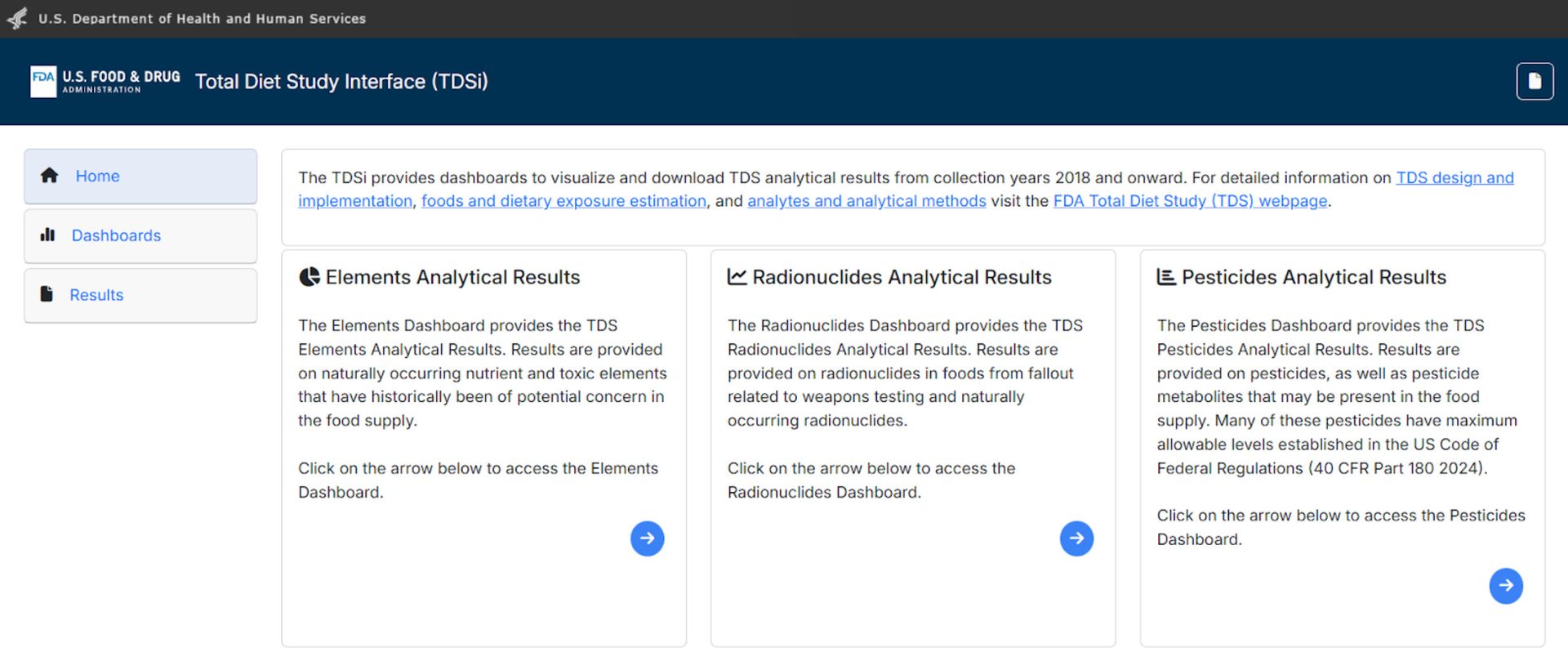
The U.S. Food and Drug Administration (FDA) has released the Total Diet Study Interface (TDSi), an interactive, web-based tool that provides streamlined access to findings from FDA's Total Diet Study. The TDSi includes TDS datasets from fiscal year 2018–2022. By transitioning from traditional publication methods to a dynamic, user-interactive platform, FDA is providing stakeholders with enhanced access to critical food safety and nutrition data, positioning itself as the global leader in providing comprehensive, publicly accessible data on foods in a typical U.S. consumer's diet.
The TDSi represents a significant advancement in data accessibility and transparency, offering:
- Comprehensive data visualization: Interactive graphics and charts that enable users to easily explore TDS findings efficiently and intuitively
- Enhanced transparency: User-driven access to detailed analytical results with full dataset download capabilities for researchers and stakeholders
- Historical scope: Complete datasets for nutrients and contaminants (including elements, radionuclides, and pesticides) in foods collected since 2018
- Ongoing updates: Regular incorporation of new TDS data as it becomes available.
The new TDSi tool is available for use here.
FDA Releases Interactive Tool for Total Diet Study Data
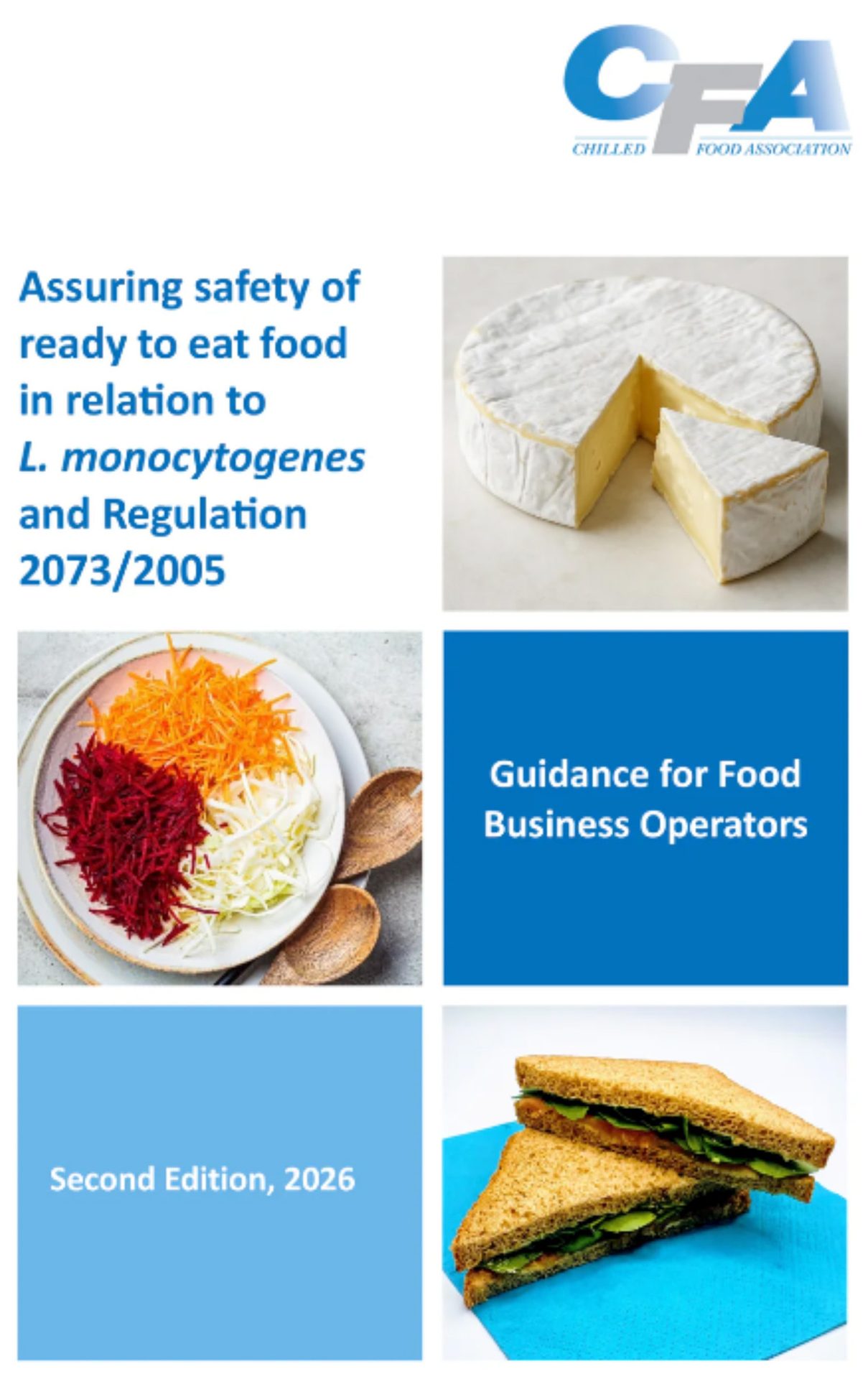
The UK-based Chilled Food Association (CFA) has produced an industry-led good practice guidance for manufacturers and retailers of ready-to-eat (RTE) foods that may support the growth of Listeria monocytogenes. The guidance is intended to help food business operators (FBOs) comply with UK and EU regulations on the microbiological criteria for foods. Regulation (EU) 2073/2005 on the microbiological criteria for foods was recently revised by the European Commission (Regulation [EU] 2024/2895) to expand the requirements for FBOs regarding L. monocytogenes in RTE foods.
Developed in direct response to industry questions and concerns about EU/UK regulations on the microbiological criteria for food, the guidance comprises practical resources and case studies, presented in an easily accessible format. It includes:
- A decision tree to determine applicability of the guidance
- Tables summarizing microbiological criteria and the amended Listeria criteria
- Requirements for the safe manufacture of RTE foods
- A checklist for purchasing RTE ingredients
- Environmental monitoring program design and usage
- Detailed approaches to establishing and justifying shelf life (i.e., physicochemical data, scientific and historical data, experimental studies)
- Usage and limitations of predictive modeling, durability, and challenge testing
- Worked shelf life examples (e.g., cheese and sandwich scenarios)
- Worked examples showing usage and limitations of predictive modeling
- Example historical data types to be collated by FBOs in support of food safety assurance and shelf life
- A Q&A addressing common operational questions and enforcement scenarios.
The CFA guidance is available here.
CFA Offers Industry-Led Guidance on EU and UK Listeria Criteria for RTE Foods
The European Commission has published a document to answer frequently asked questions about the requirements of new EU legislation that mandates whole genome sequencing (WGS) testing and data reporting for important foodborne pathogens. Regulation (EU) 2025/179 comes into force on August 23, 2026.
Commission Implementing Regulation (EU) 2025/179 aims to facilitate the swift identification of causes of a foodborne illness outbreak and the related batches, lots, or consignments of potentially unsafe food by requiring WGS analysis and reporting to the European Food Safety Authority (EFSA) for isolates of Salmonella enterica, Campylobacter jejuni and Campylobacter coli, Listeria monocytogenes, and Escherichia coli. When one of these pathogens are suspected to be associated with a foodborne illness outbreak, at least one isolate obtained from animals, feed, food, or the feed/food production environment must be analyzed and data must be submitted to EFSA.
In the case of a multinational outbreak, the competent authority of each Member State where an isolate was detected, and where the isolate is associated or suspected to be associated with an outbreak, are responsible for carrying out WGS. Food businesses must submit isolates to competent authorities for WGS, upon request. The data to be submitted to EFSA along with WGS sequences include reference numbers, pathogen species, and date and Member State of samplings, as well as the description of the food, animal species, feed, or environment from which the isolate was derived. Additionally, laboratories conducting WGS analyses should be ISO 17025-accredited.
The European Commission's Q&A document can be found here.
European Commission Publishes Q&A Document for Mandatory WGS Testing and Reporting