
June 2022
Flavor
Explosive
These versatile ingredients help formulators—whether the job is expanding a delicious flavor note or blocking an unpleasant one.
Part 2
Flavor modulation and enhancement demands have taken a sharp turn toward natural sources. Video courtesy of: Getty Images / GMVozd
By ANNE-MARIE RAMO, Contributing Editor
Bitter blockers
Some chemicals work specifically with the palate’s bitterness taste receptors. They bind with one of 25 known taste receptor types (referred to as “T2Rs") on the tongue, inhibiting the individual receptor’s function, thus blocking the unpleasant flavor. Growing in popularity are ingredients derived from fermented mushroom mycelia that possess this trait.
Sweet & Savory Future
Ways to enhance flavors in sweet and savory items are becoming more sophisticated as consumers seek a greater variety of choices and stronger, yet more natural, flavors. The future of flavor boosters includes greater reliance on traditional sources ranging from herbs, roots, rhizomes, bark, spices, and fruit concentrates to reduced spirits, wine, beer, and other alcohol beverage sources. Also experiencing greater interest and use are umami shots from yeast extracts, vegetables, and fermented products (think: soy sauce, fish sauce, seaweed, and mushrooms). Smoked and infused salts and a treasure trove of peppers are also coming on strong.

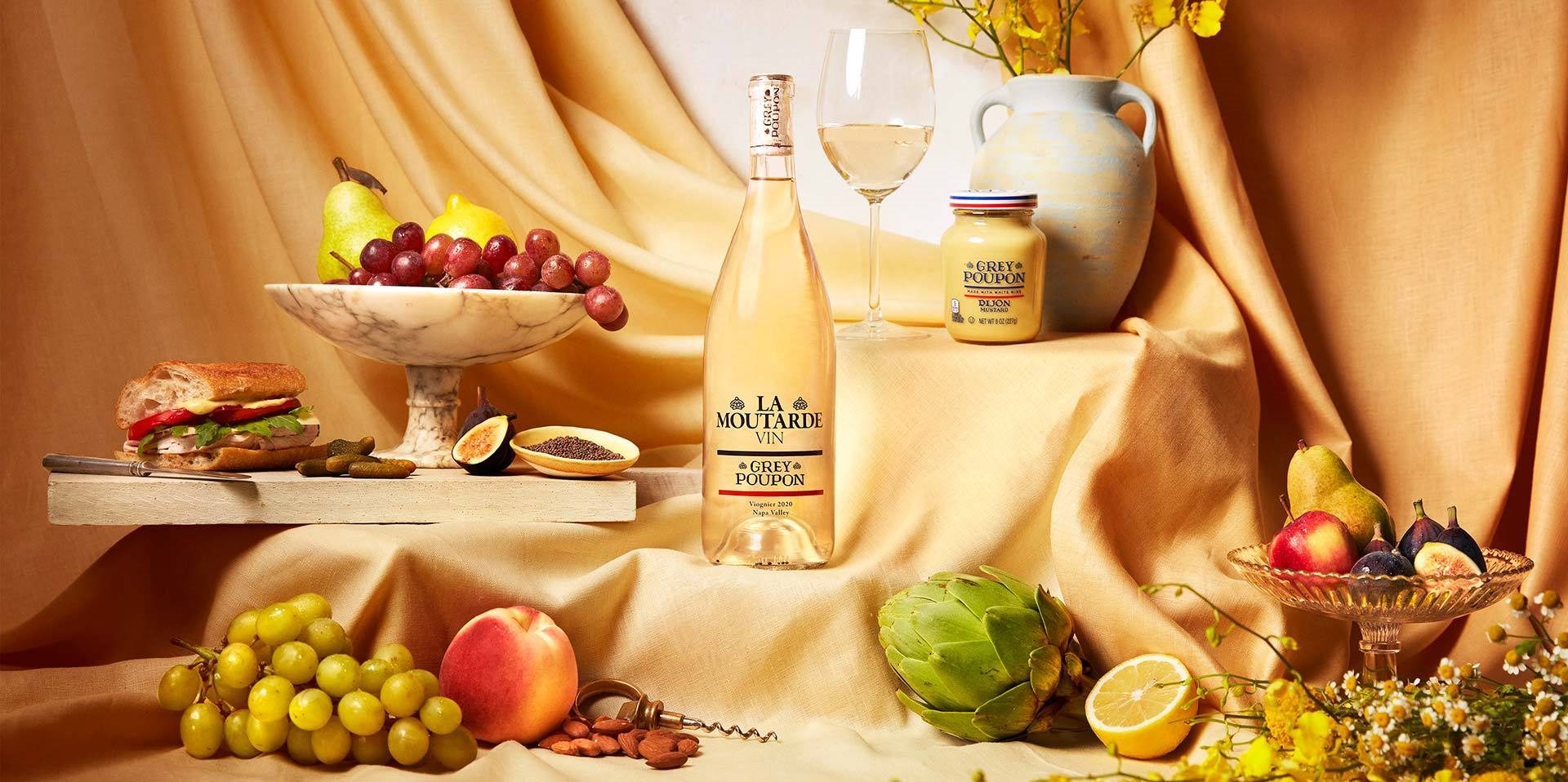
In an unusual twist, mustard—an excellent flavor modulator often enhanced with white wine—is used to add an exotic flavor note to white wine itself. Photo courtesy of: Grey Poupon/Kraft-Heinz, Inc.
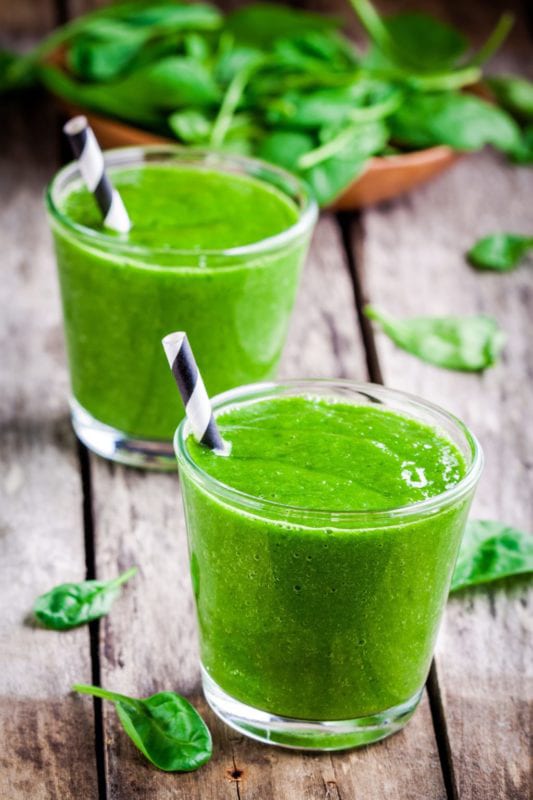
The “miracle berry” (Synsepalum dulcificum) has moved from a novelty to the front line of flavor-blocking technology. The berry contains a glycoprotein (dubbed “miraculin”) that, when used in neutral pH formulas, blocks bitter receptors. However, miraculin also stimulates sweet receptors in low-pH products, causing sour foods to taste sweet. Miraculin is currently classified as an additive by the FDA but has yet to obtain GRAS status.
With so many options on the market to mask and enhance flavors, the formulator has a formidable toolbox from which to choose ingredients targeting the flavor notes that need to be reduced, magnified, or synergized. As for considerations about how such ingredients will appear on an ingredient statement, the availability of natural formats for masking or enhancing is continually expanding.
Most ingredient company technologists are well attuned to the types of applications in which enhancers and maskers are needed. They can be an excellent asset for formulators tackling such challenges as cost, storage, and shelf-life requirements as well as flavor management. PF
Natural compounds that work on taste receptors can remove the off-notes and bitterness from vitamins, minerals, caffeine and plant extracts. Photo courtesy of: FlavorHealth, Inc.
Regular contributor Anne-marie Ramo is a Seattle-based research chef and food writer with more than 25 years of experience in flavor development. She was director of culinary development for Revolution Foods Inc., executive chef of Fork in the Road Foods, LLC, and executive chef for Aidell’s Sausage Co. Read more of Ms. Ramo’s articles at www.preparedfoods.com. Contact her at aramo@me.com.
June 2022