
June 2022
Natural Appeal
Consumers associate natural, organic with “clean label.”
Part 2
Growth areas differ between natural and organic
Product launches with natural and organic claims have been relatively stable during the past several years, with compound annual growth (CAGR) of 3.7% for organic and 0% for natural (global, 2019-2021). Top categories overall include cereals, baby and toddlers, spreads and bakery.
Among products with a natural claim, sauces and seasonings accounted for 16.1% of launches in 2021 and are the fastest growing category. Snacks and baby and toddlers launches also feature among the top categories with a natural claim. Innova sees strong growth for natural claims in diverse subcategories that reflect the growing popularity of clean products across the food and beverage spectrum, such as hard seltzers (+144%) and chocolate bars (+92%)(CAGR, global, 2019-2021). Various types of meat substitutes increasingly are labeled as natural but this trend does not carry over to organic since meat substitutes tend to be highly processed and from ingredients that are not organic.
By LU ANN WILLIAMS, Contributing Editor
Photo courtesy of AlexRaths / Getty Images

Given the level of concern parents have for their children’s health and safety, it is not surprising that baby and toddlers product launches lead other categories with organic claims, accounting for one in six 2021 launches. Sauces and seasonings, bakery, ready meals and side dishes, and hot drinks also represent higher proportions of 2021 launches. As with natural claims, organic claims are rapidly growing on alcoholic beverages, led by flavored alcoholic beverages (+140%) and hard seltzers (+80%)(CAGR, global, 2019-2021).
Natural and organic in food ingredients
Innova also tracks the evolution of ingredients, including flavors, colors, sweeteners, and preservatives. Flavor is one of the most innovative areas of the ingredients industry. Thousands of natural and synthetic flavor compounds are available today and new compounds continue to be introduced each year.
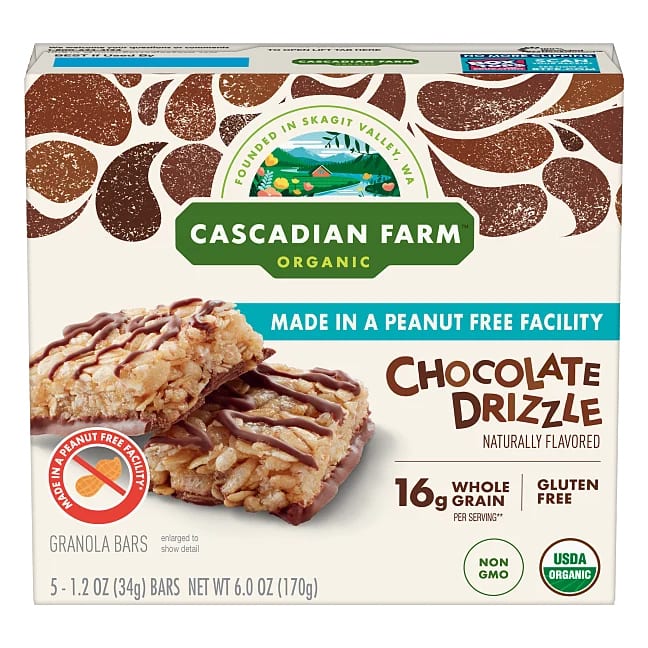
Cascadian Farm emphasizes natural flavoring for bar and cereal products. Photo courtesy of General Mills
Natural flavors that are derived from commodities—such as spices, herbs, fruit, vegetables, juices, other plant materials, meats, seafood, eggs, and dairy products—represent the dominant type of flavoring used today. Artificial or synthetic flavors typically are chemically synthesized copies of natural flavors.
The term “nature identical” on the ingredient list refers to flavors that are chemically identical to a natural flavor but produced via chemical processes or by chemical modification of natural substances. In most major markets, including the US, nature identical flavors are considered to be artificial and have to be labeled as such. Food manufacturers increasingly are looking to replace added flavor compounds with natural ingredients that confer flavor notes, such as plant extracts or commodity-style ingredients from the plant world.


Consumer surveys conducted by Innova Market Insights during the past two years demonstrate a range of perceptions regarding natural and organic. In the 2020 Innova Health & Nutrition Survey, consumers most associated the concept of “clean” labeling/eating with natural and organic ingredients, as well as no additives/preservatives.
Food colors serve several purposes, including compensating for color loss during processing and storage, adding color to foods and beverages that are colorless as formulated (e.g., soft drinks and sugar-based candies), and making products more visually appealing to consumers. This last aspect has become increasingly important in the social media age as consumers love to share photos of their food and drink with friends and family, and vibrant colors are highly valued.
Natural colors are derived from natural sources such as vegetables, fruits, plants and minerals. They are obtained by physical and/or chemical extraction, which separates the pigments from nutritive and aromatic constituents. Like artificial colors, they come in various forms and are enjoying popularity as part of the growing demand for more natural foods and beverages that also look good visually. Use of natural colors is spread evenly across food and beverage market categories, peaking in bakery, confectionery, snacks and ready meals.
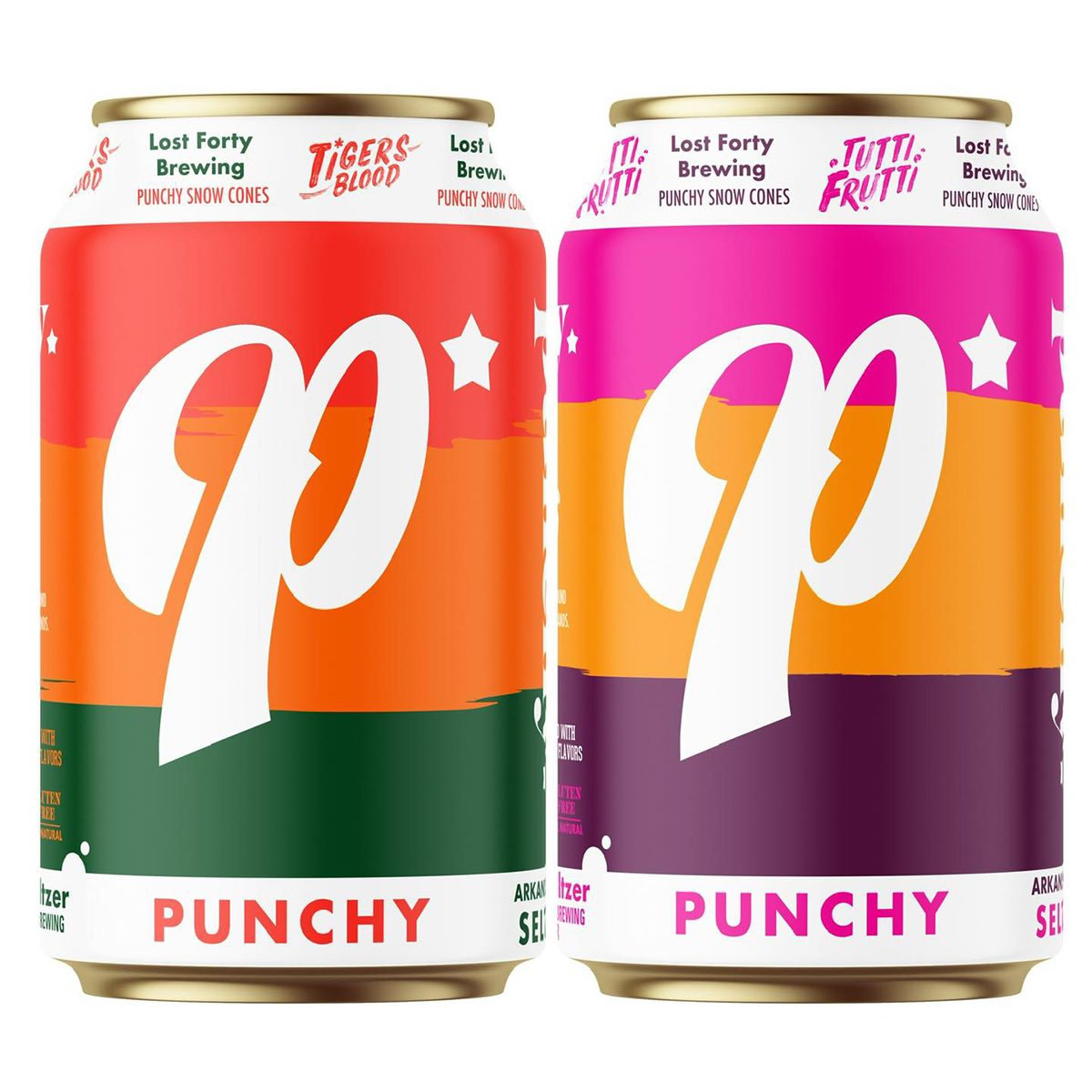
Innova sees strong growth for natural claims in diverse subcategories that reflect the growing popularity of clean products across the food and beverage spectrum, such as hard seltzers. Lost Forty Brewing, Little Rock, Ark., includes an all natural claim for its PUNCHY Tigers Blood Snow Cones Hard Seltzer. Photo courtesy of Lost Forty Brewing
Outside the top 10 categories, baby and toddler products also are a significant target. Coloring foods consist of natural extracts or concentrates from plants, fruits or vegetables that can deliver color. Artificial colors typically are chemically derived and made up of complex hydrocarbons, nitrogen and sulfur ions. They are generally more stable, vibrant and economical than natural varieties and come in liquid, gel, powder and paste formats.
The push for entirely “clean” labels is prompting replacement of color compounds with natural ingredients that can make their own contribution to coloring. The anti-additive movement, combined with health scares attached to artificial colors, has driven demand for natural colors during the past few decades. More recently, the clean label revolution has taken this a step further, promoting interest in the replacement of added colors with plant- or food-based colors from sources such as florals, botanicals, herbs, fruits and vegetables. Additionally, both artificial colors and natural colors are experiencing a drop in demand, with more and more manufacturers targeting “no added colors” claims.
Product launches with natural and organic claims have been relatively stable during the past several years, with compound annual growth (CAGR) of 3.7% for organic and 0% for natural (global, 2019-2021). Top categories overall include cereals, baby and toddlers, spreads and bakery.
Natural sweeteners are enjoying growing popularity, with high-intensity sweeteners stevia (and its steviol glycosides) and monk fruit experiencing solid expansion during the past several years. These sweeteners—along with the rare sugar allulose and the sugar alcohol erythritol—come from natural sources and are marketed as natural. They also are available in organic forms.
Commercial, large-scale production, however, typically relies on processes such as fermentation rather than extraction of the sweetener from a natural source. Artificial sweeteners—including sucralose, acesulfame K, and others—continue to be popular and widely used, especially in soft drinks.
Natural preservatives and antioxidants are finding increasing favor, with traditional ingredients such as vinegar and lemon juice both seeing a resurgence in the modern consumer climate. At the same time, natural versions of vitamin C and tocopherols are increasingly preferred, while botanical antioxidants have emerged, most notably rosemary or onion extracts.
We expect that natural and organic products will continue to gain market share as consumers look for ways that they can play a part in protecting the planet. PF
Lu Ann Williams is Global Insights Director at Innova Market Insights, provider of market research services including the Innova Database. With more than 25 years’ experience in the food industry, Lu Ann is a trend expert and frequent public speaker at events worldwide. She leads a team of analysts and works with global clients. Contact her at luann.williams@innovami.com
June 2022