
SEPTEMBER 2022
Beyond the Crunch
Texture is one of the four compass points—along with flavor, appearance, and aroma—that determine the success of any food product.
Part 2
Developers are leveraging food coatings as a new way to deliver healthier products that attract with texture and flavor. Video courtesy of: Getty Images / Mariia Kozub
Batter Up
Developers must work through some key challenges when formulating a healthier coated or enwrapped food. Traditional starches, such as modified corn starch, offer predictable and reliable functionality. “These are the backbone of the formulation, holding the batter together and allowing it to set when cooked,” explains Ryan Erwin, food chemist and innovation manager for natural foods manufacturer Fresca Foods, Inc. “In breaded applications, starches are used to ensure that the breading adheres to the substrate throughout frying, freezing, and reheating. Starches are also the key to developing the crispy and crunchy texture of breaded and battered products.”
By Olivia Conrad, Contributing Technical Editor

Animal protein substrates lead the coated foods category, with items such as chicken tenders, seafood, and fish being most common, both in retail and foodservice settings. Yet in 2020, 47% of US consumers reported a desire to reduce their meat intake, and globally, other countries reported similar statistics. Consequently, the demand for plant-based meat and seafood alternatives has risen rapidly, challenging food manufacturers to innovate coatings for plant-based applications as well.
Plant-based protein sources, including pea, chickpea, mung bean, and fava bean, as well as mushrooms and even algae, are the main components used to create a substrate for food coatings. They typically are combined with starches, such as those from pea, chickpea, and tapioca, to carefully mimic the density and texture of animal proteins.
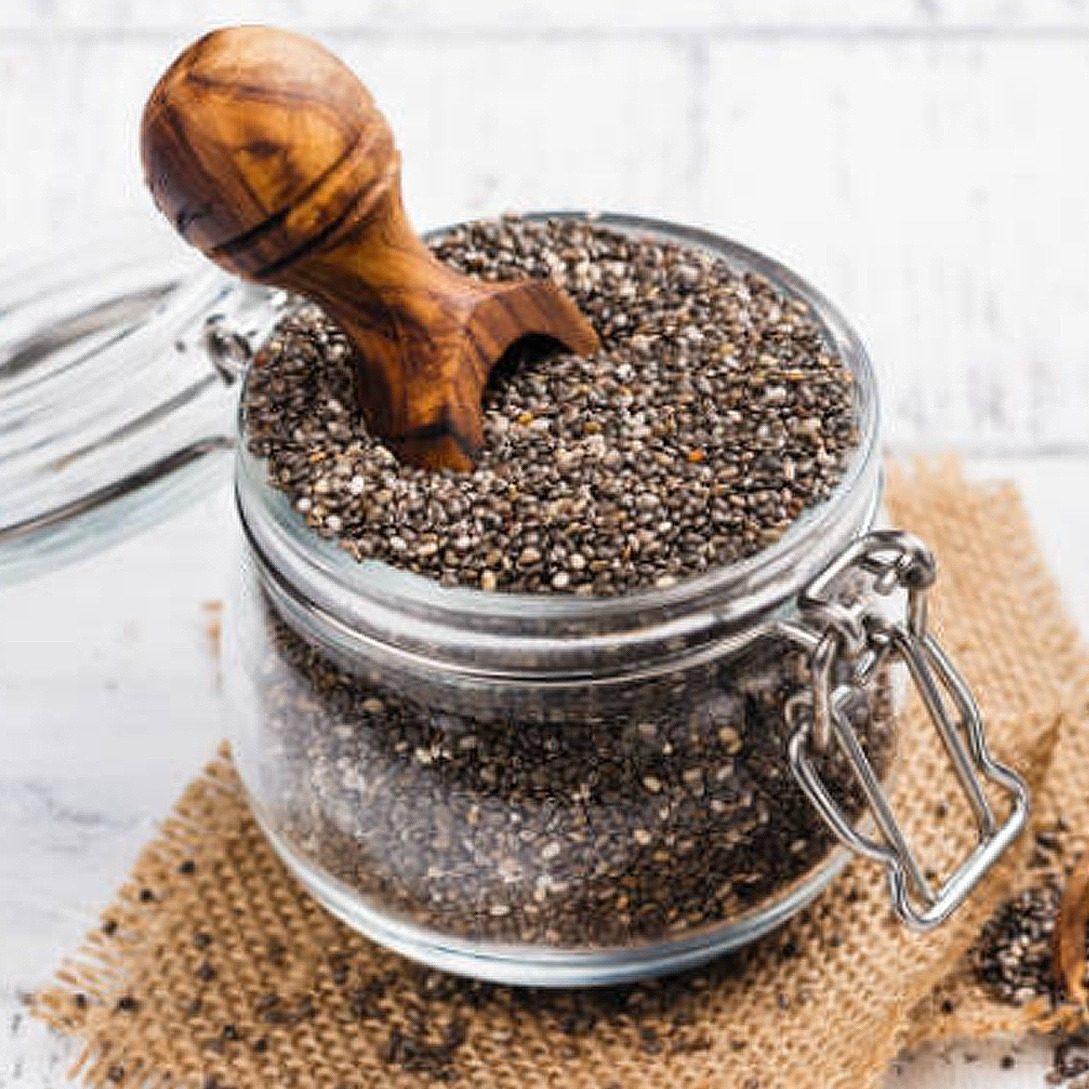
One of the easiest healthful coatings to apply, for savory or sweet, is high-nutrition seeds, like toasted chia, rich in vitamins, minerals, protein, and beneficial lipids. Photo courtesy of: Seeds of Wellness, LLC
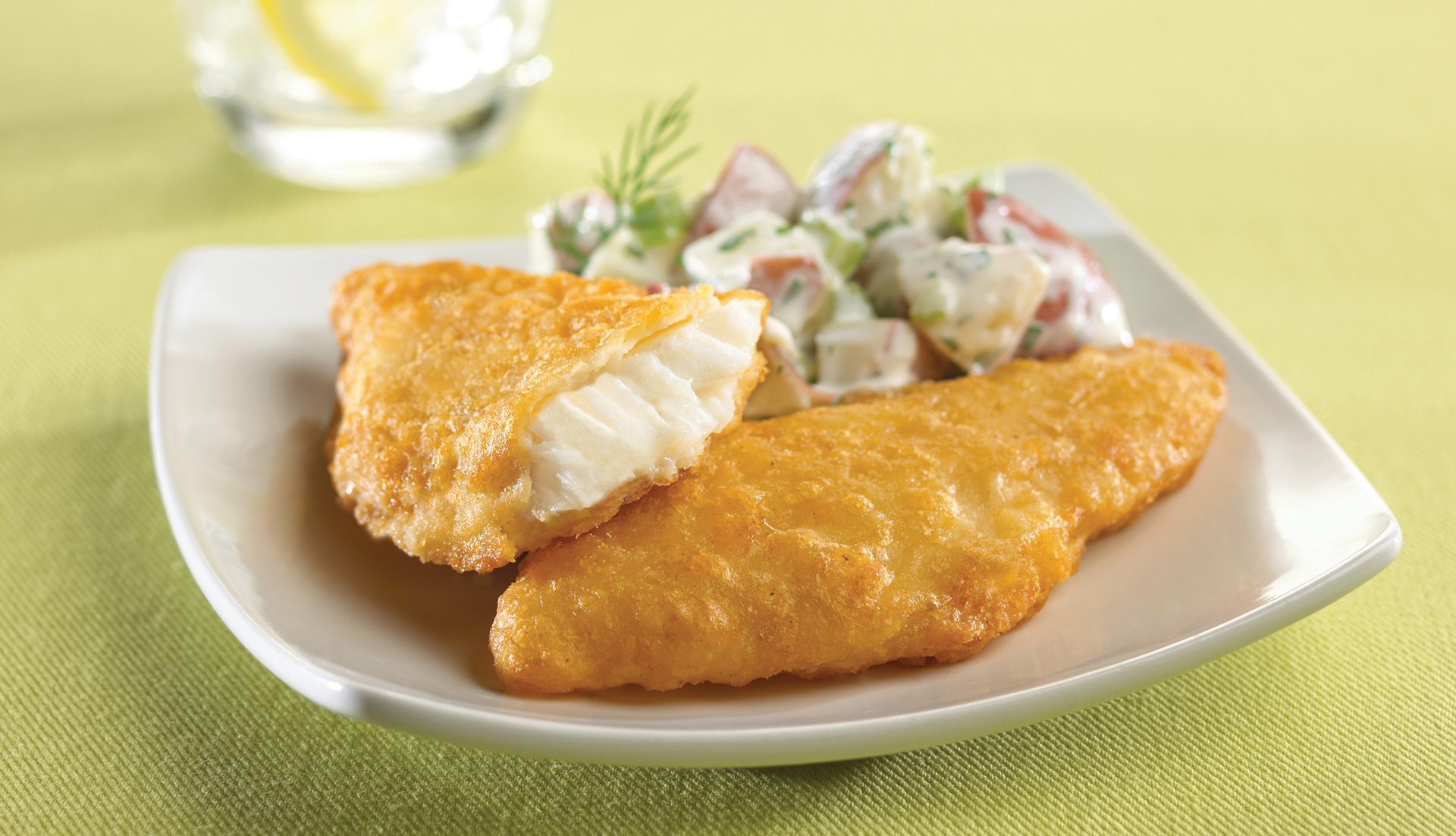
Better-for-you upgrades for batters and coatings on classic formulations include such simple tweaks as native starches, healthier oils, and natural flavorants. Photo courtesy of King & Prince Seafood Corp.
Animal proteins are easier to coat than plant-based proteins, and thus developers have the challenge of creating functional formulations of batters and breadings to ensure that consumers experience optimal appearance, taste, and mouthfeel in meat alternatives.
For plant-based battered or breaded products, such as vegetarian nuggets or vegan battered “shrimp,” developers can turn to a blend of clean-label starches that provide effective adhesion functionality, along with protective coating functionality to reduce oil pick-up and prevent sogginess. Native starches, such as tapioca starch, potato starch, and corn starch, have turned out to be effective replacers of refined modified starches, dextrins, and methylcellulose.
Healthy Coatings Rule
As the health and wellness trends continue to dominate across food categories, innovative coatings, batters, and glazes using gluten-free and high-protein ingredients will become the rule rather than the exception in coated and battered products. Better-for-you whole-grain and native flours and starches from sources ranging from roots and tubers (tapioca, potatoes) to nuts, seeds, and ancient grains (quinoa, millet, amaranth) to dried vegetables and even protein crumbles also add to the halo. Even the right healthful oils with smoke points able to stand up to air fryer temperatures, such as from chia and avocado, lend a more attractive nutrition profile.
Still, some adjustments are needed when replacing traditional starches with clean-label soluble fibers, such as pea flour, corn flour, or brown rice flour. This is because these ingredients can alter the adhesive properties of the breading. The high heats used to set breadings and batters can cause fibers to break down in some formulations, reducing crispiness in the final product.
As functionality with less mainstream ingredients is far less predictable than in traditional formulas, developers making use of more novel ingredients in the food coatings space might require more extensive pilot-scale testing. They will find a distinct advantage in working more closely with available technical resources and expertise.
Free-From
Reducing fat, sugar, and sodium is another major area of focus for product developers in the arena of better-for-you food coating formulations. Replacing traditional, hydrogenated fry oils with healthier vegetable oils is relatively easy for most developers, allowing for “0g trans-fat” and “0g saturated fat” claims that are highly sought after by consumers these days.
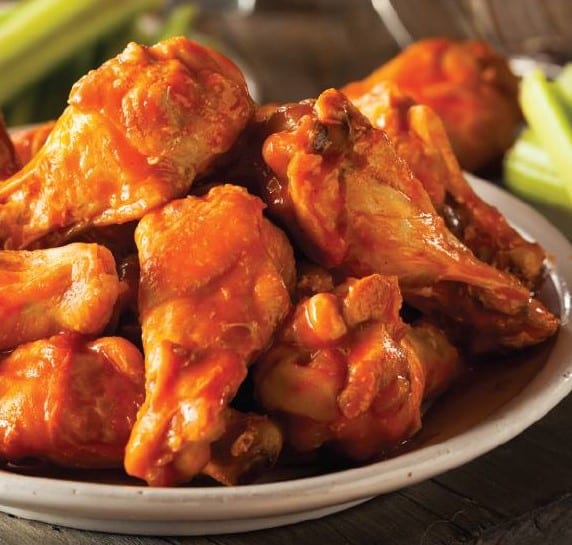
Glazes are popular coatings for animal protein products that preserve the appearance and shape of the substrate and maintain a low-calorie, low-fat value. Photo courtesy of: Advanced Food Systems, Inc.
Sugar reduction can be aided by the addition of natural flavors, such as sweetness enhancers and modifiers. Similarly, the sodium content of a food coating may be drastically reduced by using umami-rich flavor boosters, such as light-colored soy sauce powders, yeast extracts, cheese powders, or mushroom powders.
Novel coatings and crusts, such as cornbread, parmesan, and tortilla strip crusts, may be utilized along with gluten-free, high-fiber, or high-protein flours to offer a diet-friendly breading that still allows a consumer to indulge in coated foods. Future opportunities will continue to arise in formulating vegetable-based and gluten-free coatings that entirely mimic traditional counterparts in terms of texture, appearance, and, of course, flavor. PF
Regular contributor Olivia Conrad is a product development scientist for Simply Good Foods Co. is a freelance science writer based in Boulder, Colorado. Holding a food science degree from the University of Maine, she has extensive experience in natural foods product development in categories ranging from frozen desserts to meat snacks. She also is an expert in food safety with a strong working knowledge of FSMA and HACCP principles. She may be contacted at oconrad2013@gmail.com.
SEPTEMBER 2022