The importance of strict compliance with ANSI standards and manufacturer guidelines during cementitious backer unit (CBU) installation, highlighting that meticulous framing, fastening, and especially proper joint treatment are essential for achieving durable, high-quality wall systems in construction projects. By Gabriel Quintana
Ensuring Compliance:
A Close Look at CBU Installation and Joint Treatment
xxxxx. xxx
xxxxx
xxxxxxxxx
xxxxxxxxxxxxxxx By xxxxxxxx
h2 - xxxx
h3 - xxxx
H1 headline
In the world of construction, the difference between a project's success and failure often lies in the details—particularly in installations that seem as straightforward as those of cementitious backer units. This was vividly illustrated during a site visit by the Northwest Wall and Ceiling Bureau. Tasked with installing CBUs, the union wall and ceiling contractor was scrutinized to ensure that every step met the stringent requirements set forth by ANSI A108.11 and the detailed guidelines from CBU manufacturers. This article delves deep into the steps, observations and industry standards that define a high-quality CBU installation, turning a routine inspection into a lesson in precision and adherence.
Key Observations from the NWCB Educational Inspection
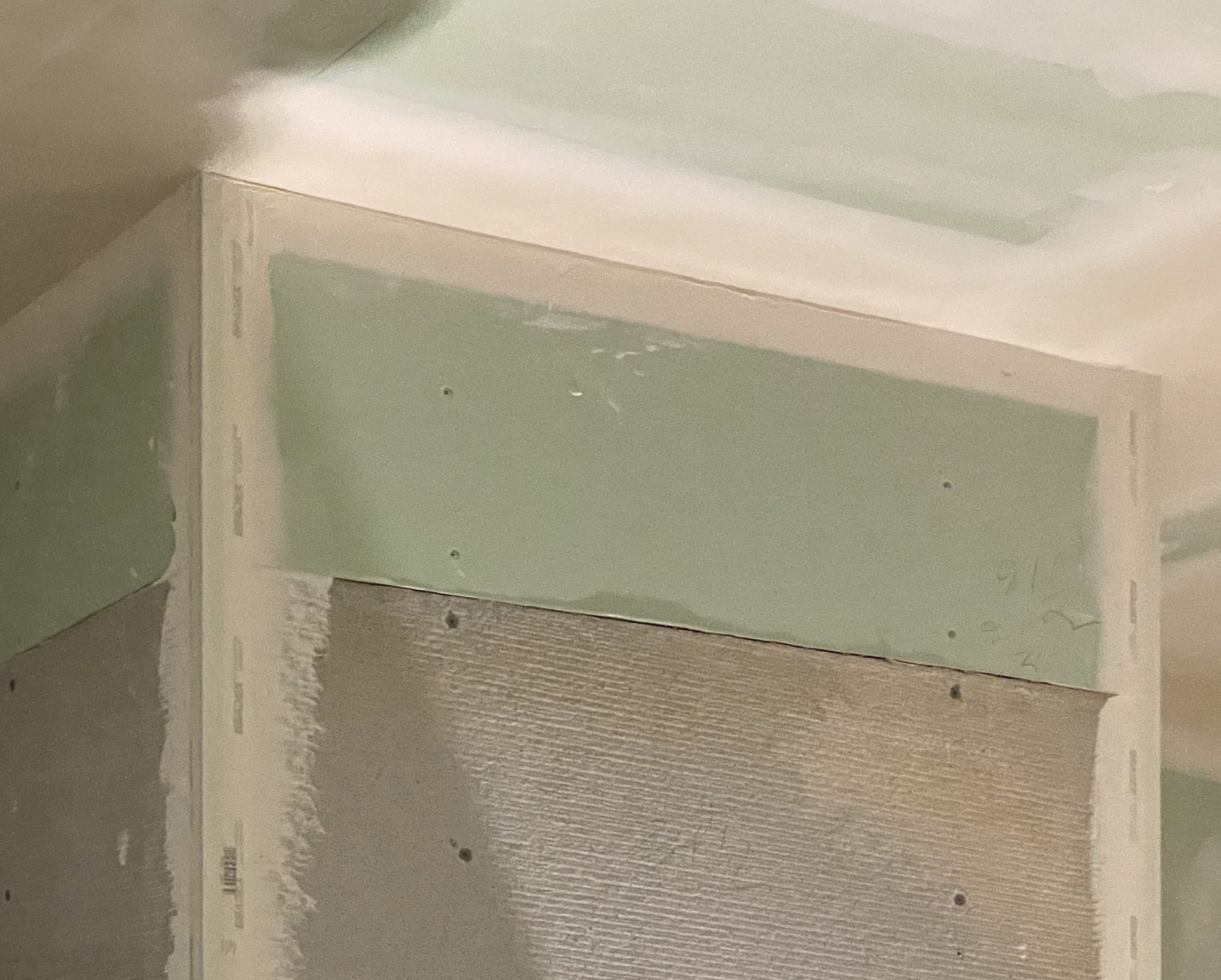
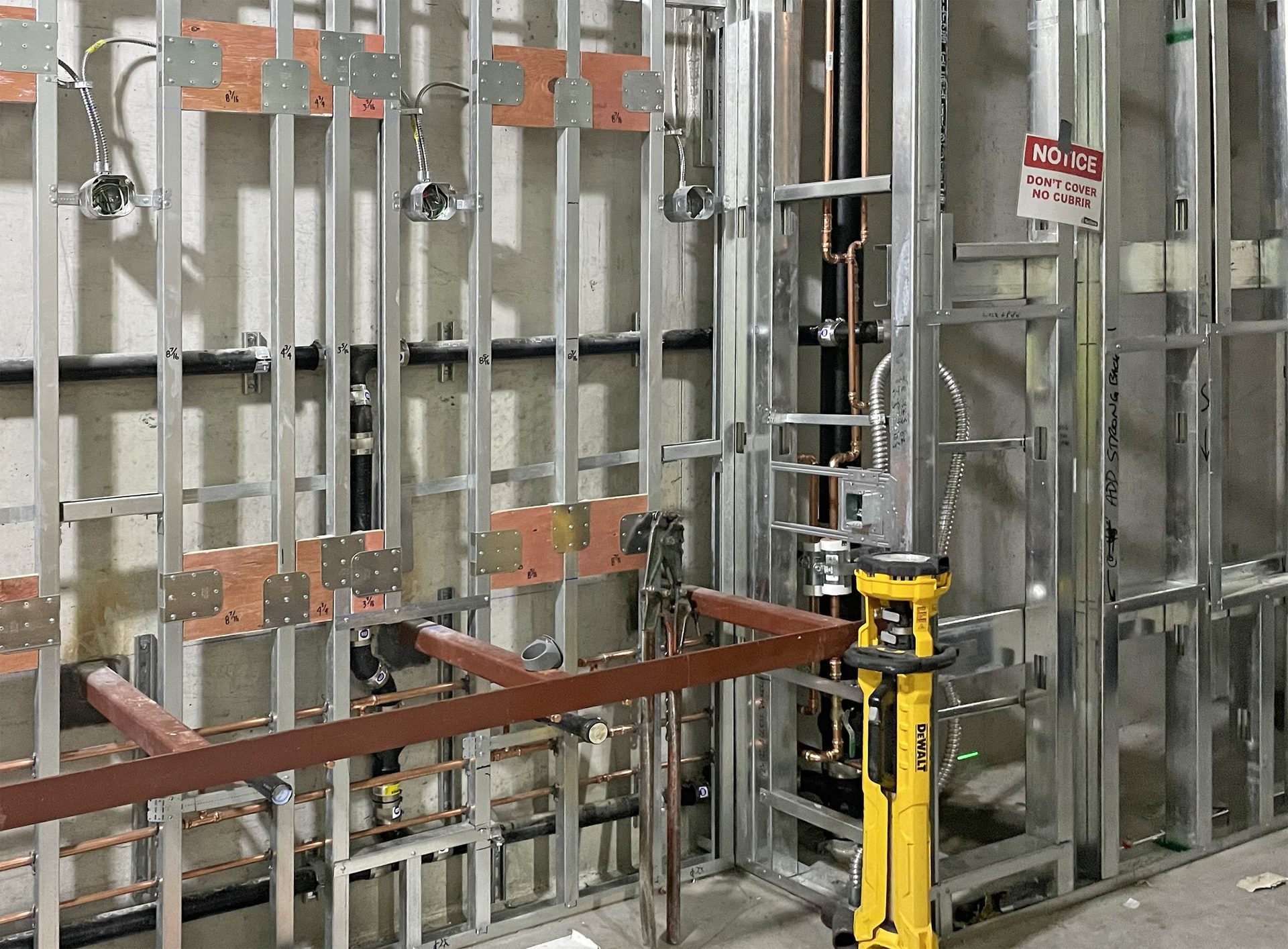
The NWCB inspection involved a detailed examination of the framing and CBU installation. The framing had to meet specific requirements, such as not exceeding L/360 deflection for tile and thin brick and being spaced a maximum of 16 inches on center. Additionally, the framing needed to be 20-gauge (33 mil) equivalent or heavier with a G60 coating.
- Framing Compliance: The framing used was 33mil G60 and thicker in some locations, with proper bracing every four feet, and spaced 16 inches or less on non-composite walls. This ensured a robust structure capable of supporting the CBU panels and other wall-mounted items.
- Installation Accuracy: Most of the 4 feet by 8 feet by 5/8-inch CBU panels installed met the ANSI A108.11 and manufacturer’s installation instructions. A minor issue with missing perimeter fasteners at one location was promptly corrected by the union wall and ceiling carpenters.
- Joint Treatment: Joint treatment was generally lacking, except for a few outside corners treated with typical paper-faced, corner-trim accessories. This highlighted the need for a discussion on proper treatment with alkali-resistant, fiberglass-mesh joint tape and latex-fortified mortar or Type-1 organic adhesive.
A New Jersey office designed by Gensler, featuring a NanaWall HSW60 single-track system | Photography by Garrett Rowland Photography
The office of an Omaha financial institution designed by Alley Poyner Macchietto Architecture, featuring a Generation 4 acoustical, folding glass wall system.
CBU Installation
Proper CBU installation is crucial for the structural integrity and longevity of wall systems. CBU panels ends and edges should fit closely together, with an appropriate gap between panels, as required by the manufacturer. Be sure to stagger the end joints in successive courses and fasten maximum 8 inches on center, with the perimeter fasteners at least 3/8-inch to less than 5/8-inch from any ends and edges. Fasteners used must be the manufacturer’s corrosion-resistant screws or equivalent.
The adherence to framing requirements and the application of panels demonstrates the union wall and ceiling contractor's commitment to quality. However, joint treatment remains a critical step that requires consistent attention. Ensuring the joints are sealed and treated correctly prevents potential issues with the tile installation and overall joint stability.
Joint Treatment Practices
Over the years, joint treatment of CBUs has been specified in both drywall and tile specifications but is most often handled by the tile contractor due to the materials needed. The joint treatment materials include an alkali-resistant, fiberglass-mesh joint tape and either a latex-fortified mortar or a Type-1 organic adhesive, as specified in tile guidelines and within the projects tile specifications.
The joints between CBU and gypsum panels, such as outside and inside corners, are treated in various ways:
- Inside Corners and CBU to Gypsum Panel Joints: Typically taped with fiberglass-mesh joint tape and setting-type joint compound by the drywall contractor.
- Outside Corners: Either treated with a paper-faced corner trim accessory or with fiberglass- mesh joint tape and setting-type joint compound like the CBU to gypsum panel joints.
The tile industry accepts these methods because a cementitious bond coat (ANSI A118.6 or better) can be used to install tile over drywall surfaces. However, all the joints between CBU and gypsum surfaces need special attention. Before treating the joint with setting-type joint compound, the CBU panel must be sealed with a latex-fortified mortar or a Type-1 organic adhesive, per the manufacturer’s instructions.
Before finishing the joints between CBU and gypsum, the NWCB recommends that the responsibilities and procedures for finishing the joints are formalized in the project documents. The project team may also want to consider a mockup to inspect and approve the methods being utilized.
What We’ve Learned from this Inspection
The NWCB’s inspection of the union wall and ceiling contractor's work highlighted both strengths and areas for improvement in CBU installation. Adhering to standards and promptly addressing any deviations ensures the delivery of high-quality, durable wall systems. This project underscores the importance of meticulous planning, execution, and continuous improvement in the construction industry and was well executed by the union wall and ceiling contractor team.
For construction professionals, the key takeaways from this project are clear: meticulous adherence to standards and proactive issue resolution are essential for successful installations. Ensuring thorough joint treatment and constant collaboration among trades will elevate the quality and durability of construction projects. The union wall and ceiling contractor’s experience serves as a valuable lesson and a benchmark for future endeavors in the industry.
Images courtesy of NWCB.
Gabriel Quintana is the executive director of the Northwest Wall and Ceiling Bureau. He can be reached at gabriel@nwcb.org.