Advancements in flashing materials—particularly clear acrylic and liquid flashings—are transforming building envelope performance by improving moisture protection, inspection efficiency, and installation speed, helping contractors meet stricter codes and tighter project timelines with greater durability and precision. By Andrew Irvine
Flashing Forward:
How Innovation is Changing the Game in Wall Protection
xxxxx. xxx
xxxxx
xxxxxxxxx
xxxxxxxxxxxxxxx By xxxxxxxx
h2 - xxxx
h3 - xxxx
H1 headline
In an era where building envelope performance is under more scrutiny than ever, flashing has emerged as one of the most critical elements of wall protection. When properly specified and installed, flashings form the continuous seal that keeps moisture out, air in check, and structural assemblies performing as designed. As codes tighten and project timelines compress, innovation in flashing materials and installation methods is helping contractors achieve higher levels of durability, efficiency, and compliance—without compromise.
From Asphalt to Acrylic: A Brief Evolution
Flashing materials have evolved dramatically over the decades. Early systems relied on asphalt-based tapes and membranes—cost-effective at the time but hampered by temperature sensitivity and challenging installations. Asphalt flashings can lose adhesion below 50°F and become pliable in extreme heat, often requiring primers to adhere properly to substrates like OSB or concrete.
Next came butyl flashings, which offer better flexibility and a wider working temperature range. Butyl’s rubberized formulation offers improved bonding and allows for repositioning during installation, making it a favorite for many pros. Still, as jobsite expectations shift toward greater productivity and long-term performance, newer technologies have emerged.
Enter acrylic flashings—a newer class of materials that leverage advanced adhesives with viscoelastic properties, giving them the ability to “flow” into surface irregularities while maintaining elasticity over time. The result is a strong, flexible bond that resists UV degradation and extreme temperatures far better than asphalt or butyl options. Acrylic tapes have been common in aerospace and automotive manufacturing for precisely these reasons—and now, building science is catching up.
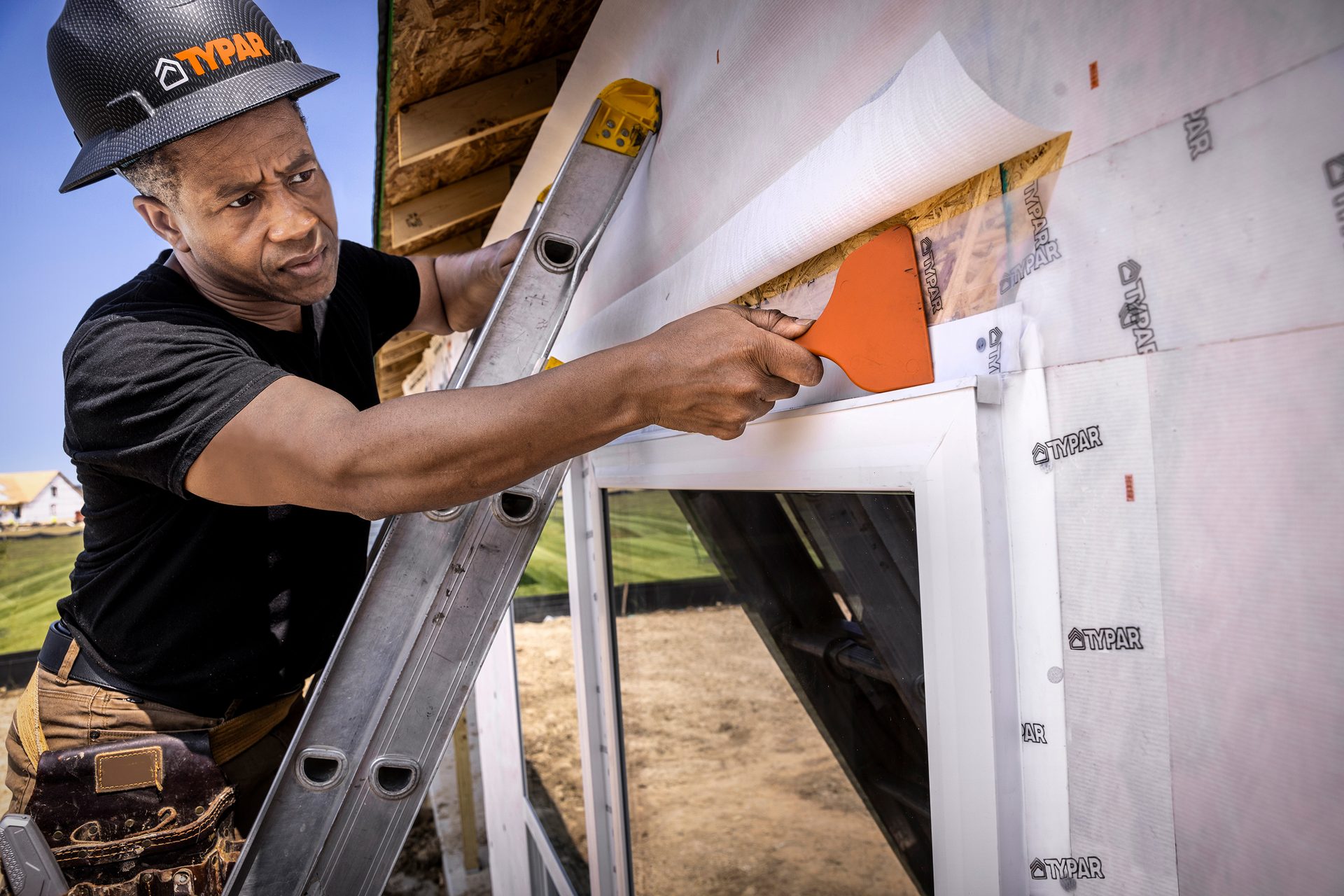
Transparent acrylic flashing makes it possible to verify fastener placement and achieve a precise seal in one step—an innovation that simplifies installation, speeds inspection, and strengthens overall wall performance.
Seeing and Sealing: The Rise of Clear Acrylic Flashing
When it comes to flashing materials, the future is clear. The latest innovation in the category, clear acrylic flashing literally lets installers see their work. It was developed in response to a recurring issue in the field: once opaque flashing is applied over window or door fins, fastener patterns become invisible—creating complications for both installers and inspectors.
In states like Florida, where building codes require screws to be installed in specific sequences around window fins, inspectors must visually confirm the pattern before the flashing is applied. This has traditionally forced builders into a two-step process: install the window, call for inspection, and then bring crews back to complete the flashing. The downtime adds costs and logistical headaches—especially on multi-story or multifamily projects where lift rentals and labor hours multiply quickly.
Clear acrylic flashing eliminates that bottleneck. By maintaining full transparency without compromising adhesion or UV stability, it allows installers to flash and finish in one continuous step—while still giving inspectors the visibility they need. This capability keeps crews moving efficiently, reduces downtime waiting for inspections, and helps maintain project momentum.
Innovation Meets Inspection: Why Visibility Matters
The introduction of transparency into flashing systems might seem like a small leap, but its impact on productivity and code compliance is profound. According to the Construction Industry Institute, rework typically accounts for 2 to 20 percent of a project’s contract value, making workflow and quality controls critical on multifamily and commercial jobs. By allowing immediate verification and continuous installation, clear acrylic flashing directly addresses one of the most persistent inefficiencies on the jobsite.
In the bigger picture, such innovations underscore how the building envelope industry is responding to today’s market pressures: tightening schedules, fewer skilled workers, and stricter performance expectations. The move toward higher-visibility, higher-performance materials is not just about meeting code—it’s about reshaping the workflow to keep projects efficient and profitable.
Field-Proven Results
A prime example of how this technology performs in the real world can be found at The Verve, a 300-plus-unit multifamily development in Wesley Chapel, Florida. There, installer Bergeron Exteriors used clear acrylic flashing alongside a commercial drainable wrap to meet tough regional codes for wind and moisture protection.
The system provided two advantages critical to the project’s success: first, it met the state’s drainability requirements (more than 90 percent efficiency behind fiber cement siding), and second, it allowed inspectors to verify screw patterns post-installation—without the need to delay work. According to field representatives, this translated to faster installation times, reduced equipment rental costs (saving as much as $3,000 to $4,000 per day in lift rentals), and fewer schedule interruptions.
For Bergeron, these efficiencies represented more than just convenience—they provided a competitive edge. In a region where moisture, heat, and hurricanes all challenge the building envelope, having materials that meet code while maintaining workflow is a major differentiator.
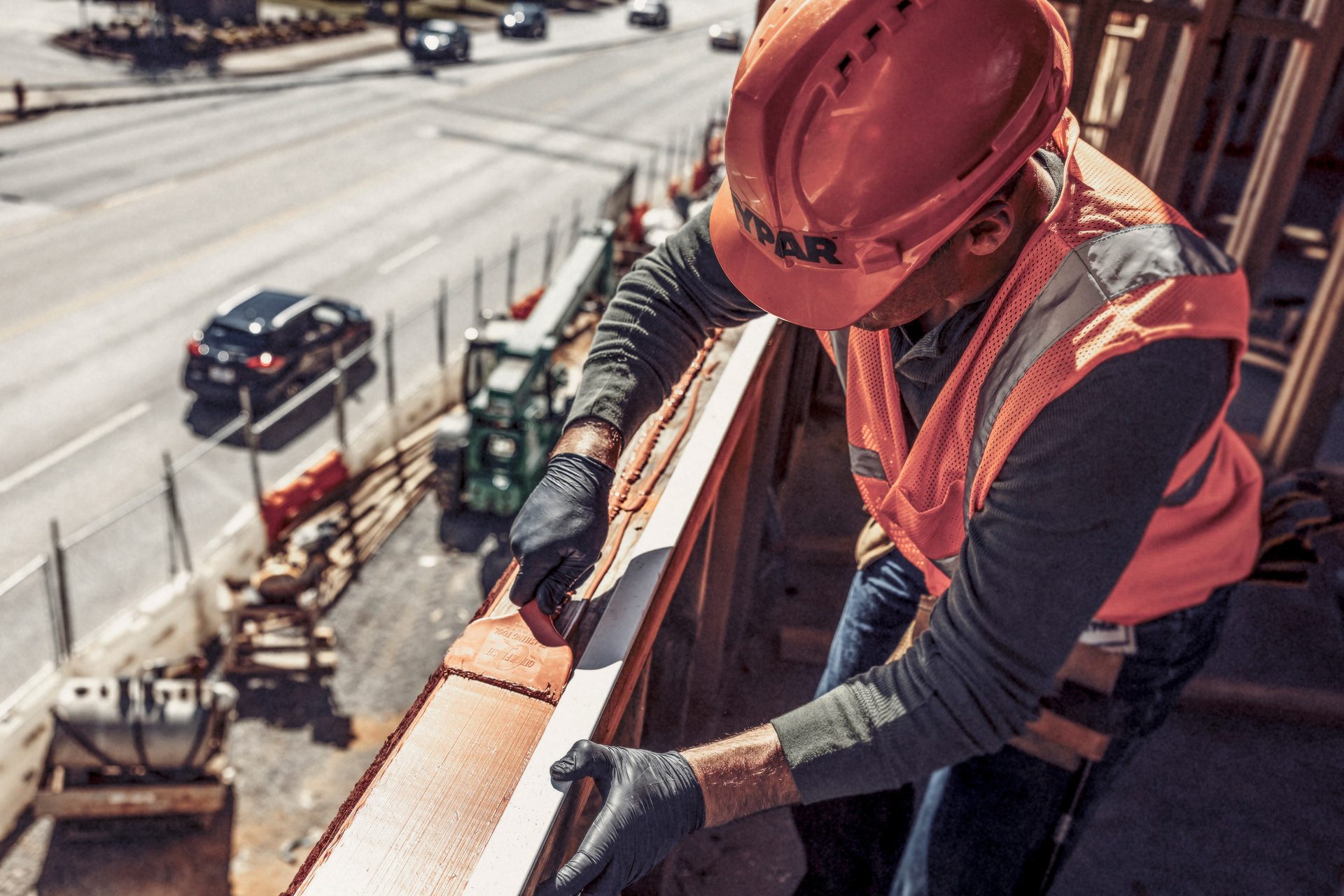
Liquid flashings offer a seamless, fully adhered seal around window openings—eliminating concerns about tape adhesion loss due to thermal cycling or installation variability.
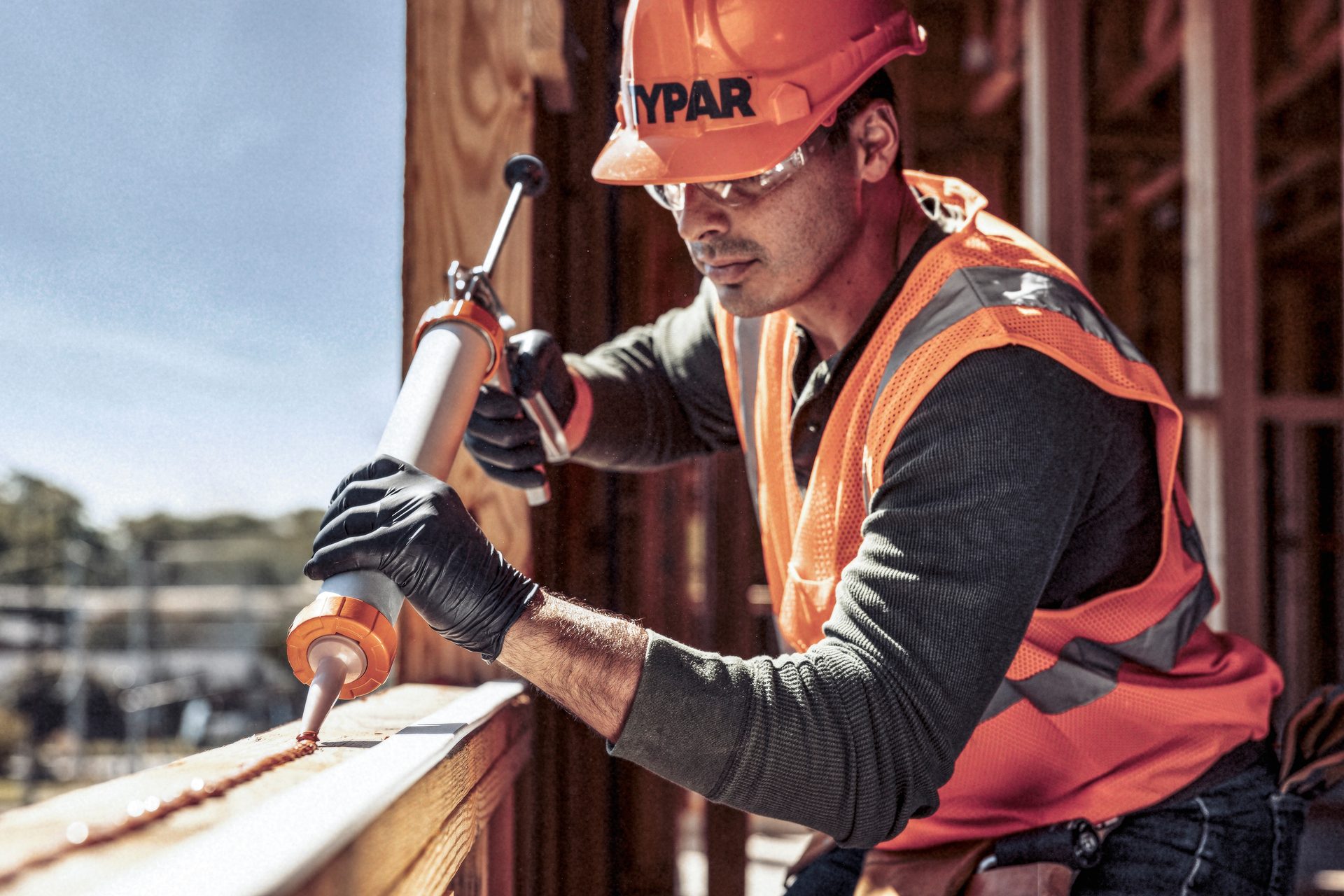
Liquid flashing applications demand attention to mil thickness and consistency across the entire rough opening. When correctly applied, they create a continuous, watertight membrane that outperforms even the best mechanically fastened tapes in challenging scenarios.
Liquid Flashing: Flexibility for Complex Details
While clear acrylic flashings excel in flat applications and straight runs, certain conditions call for a different approach. Liquid flashing—a trowelable, elastomeric sealant—offers unmatched flexibility for irregular or curved geometries such as arched windows, sill plates, or complex joints. Typically composed of silyl-terminated polyether or similar hybrid polymers, liquid flashings provide excellent adhesion to a range of substrates and can bridge small gaps that sheet products can’t easily cover.
Liquid products also shine in retrofit and repair scenarios, where achieving a continuous seal around penetrations or existing fenestration elements is key. Their ability to form a monolithic, seamless barrier makes them ideal for air-barrier tie-ins and complex intersections between new and old assemblies.
However, success with liquid flashing hinges on surface preparation and curing conditions. Most liquid flashing products require substrates to be clean, dry, and within a specific temperature range (commonly above 50 degrees Fahrenheit). When used correctly, liquid flashings complement sheet flashings by sealing transitions and corners that tapes alone can’t handle—resulting in a more complete and durable enclosure.
Choosing the Right Flashing for the Job
With so many flashing materials now available, selecting the right one depends on several factors:
- Climate and temperature range. Butyl products perform well across hot and cold conditions, while acrylic flashings offer superior UV stability and long-term adhesion—particularly in high-sun or high-humidity regions.
- Application type. Clear acrylic flashing is ideal for window and door openings where inspection visibility or aesthetic precision matters. Butyl and all-temperature tapes provide flexibility for general sealing, while liquid flashing is best for non-standard details and transitions.
- Timeline and labor constraints. On fast-track jobs or where inspection scheduling is unpredictable, transparent flashings can save hours—or even days—of waiting and rework.
- Substrate compatibility. Not all adhesives bond equally to OSB, concrete, or metal. Checking manufacturer data sheets for peel adhesion values (measured in lbs/in, per ASTM D3330) helps ensure long-term performance.
In practice, many builders find success by combining multiple flashing types within one envelope system—tapes for straight runs, flexible flashings for corners, and liquid products for complex joints. When used as a coordinated system and installed according to AAMA 711-22 standards, these materials collectively help prevent water and air infiltration that can lead to costly callbacks and warranty claims.
The Future of Flashing
As more builders recognize the value of choosing materials as part of a system, rather than as one-off components, flashings will continue to play a larger role in overall building envelope strategy. The best results occur when wraps, tapes, and sealants are engineered to work together—enhancing adhesion, drainage, and warranty coverage while minimizing compatibility issues.
For contractors, specifiers, and inspectors alike, the takeaway is clear: flashing is no longer an afterthought. It’s a frontline defense against moisture, air infiltration, and inspection delays—and the latest generation of products is making it easier than ever to get that defense right the first time.
Images courtesy of TYPAR.
Andrew Irvine is director of product line management for TYPAR Construction Products, a Magnera Corp. brand. He has extensive experience in the building and construction industry, including global product management, national account management, and finance.